Rosé vs White Zinfandel: Which Pink Wine Fits You?


Yes, White Zinfandel is technically a rosé, but it’s the sweeter, blush-colored cousin at the family reunion. Here’s the deal:
Grape source: White Zinfandel comes only from Zinfandel grapes, while rosé can be made from dozens of red varieties.
Sweetness and ABV: White Zin usually lands sweet with lower alcohol (around 8 to 10 percent), while most other rosés run dry with standard ABV closer to 12 or 13 percent.
That’s the short answer. Now let’s get into why these two pink wines taste nothing alike, even though they’re technically in the same family.
Key Takeaways
White Zinfandel is a sweeter, lower-ABV rosé made only from Zinfandel grapes, while rosé as a category spans dozens of grapes and dryness levels.
Point | Details |
White Zin is a rosé | It’s made only from Zinfandel grapes, usually off-dry to sweet. |
ABV gap matters | White Zin often runs 8 to 10% ABV versus 12 to 13% for most dry rosé. |
Color isn’t proof of sweetness | Check ABV and label words like “dry” before you buy. |
Match wine to food | Sweet White Zin pairs with spice; dry rosé pairs with seafood and salads. |
Learn by tasting | Blameitonbacchus’s private classes offer guided tastings for beginners exploring pink wines. |
Table of Contents
Rosé vs White Zinfandel at a Glance
Grab this before you head to the store. Here’s how the two stack up on the stuff that actually matters when you’re staring at a wall of pink bottles:
Sweetness: White Zinfandel is usually sweet to off-dry; rosé ranges from bone-dry to sweet depending on the bottle.
Grapes: White Zin is 100% Zinfandel; rosé can be Grenache, Cinsault, Syrah, Pinot Noir, or a blend.
Color: White Zin tends toward a consistent pale pink; rosé spans onion-skin pale to deep salmon.
Production: Both use short skin contact, but White Zin’s history includes a happy accident (more on that below).
ABV: White Zin often sits around 8 to 10%; dry rosé usually hits 12 to 13%.
Pairings: White Zin loves spicy takeout and fruity desserts; dry rosé shines with seafood and grilled veggies.
Bookmark that list. It’s your cheat sheet for the rest of this guide.
What Is White Zinfandel, Exactly?
White Zinfandel is a rosé-style wine made entirely from Zinfandel grapes, and it’s almost always off-dry to sweet. Think of it as rosé’s easygoing, candy-loving sibling.
The origin story is one of my favorite accidents in wine history. In the 1970s, Sutter Home was making a dry Zinfandel rosé and had a fermentation stall out before all the sugar converted to alcohol. Instead of tossing the batch, they bottled it. Drinkers loved the sweetness, and an American wine phenomenon was born.
The stuck fermentation that created White Zinfandel wasn’t planned. It was a mistake that turned into one of the most recognizable wine styles in the U.S. market.
Expect flavors like strawberry, watermelon, and melon, often with a candy-like sweetness that makes it approachable even if you’ve never liked wine before. Typical bottles:
Taste fruity and light, almost like a wine cooler grew up a little.
Land around 8 to 10% ABV, noticeably lower than most table wines.
Pair well with foods that scare off drier wines, like spicy Thai or barbecue.
What Is Rosé, the Bigger Category?
Rosé isn’t one wine. It’s an entire category made from dozens of red grapes, and White Zinfandel is just one member of a very large family. That’s why rosé is a broad category that can taste completely different from bottle to bottle.
Common grapes and regional styles worth knowing:
Grenache and Cinsault: the backbone of most pale, dry Provence rosé.
Syrah: adds deeper color and a peppery edge in southern French blends.
Pinot Noir: produces lighter, more delicate rosé, often from Oregon or Burgundy.
Tavel and Bandol: French regions known for darker, fuller-bodied rosés with more structure than your typical picnic pink.
Because so many grapes and regions fall under the rosé umbrella, the category covers everything from crisp and bone-dry to lush and sweet. Learning what rosé wine actually is helps you see where White Zin fits.
How Winemakers Actually Make These Wines
Color in pink wine comes from skin contact, not some special pink grape. Winemakers crush red grapes and let the juice sit briefly with the skins, a process called maceration. The longer it sits, the deeper the color and the bolder the flavor.
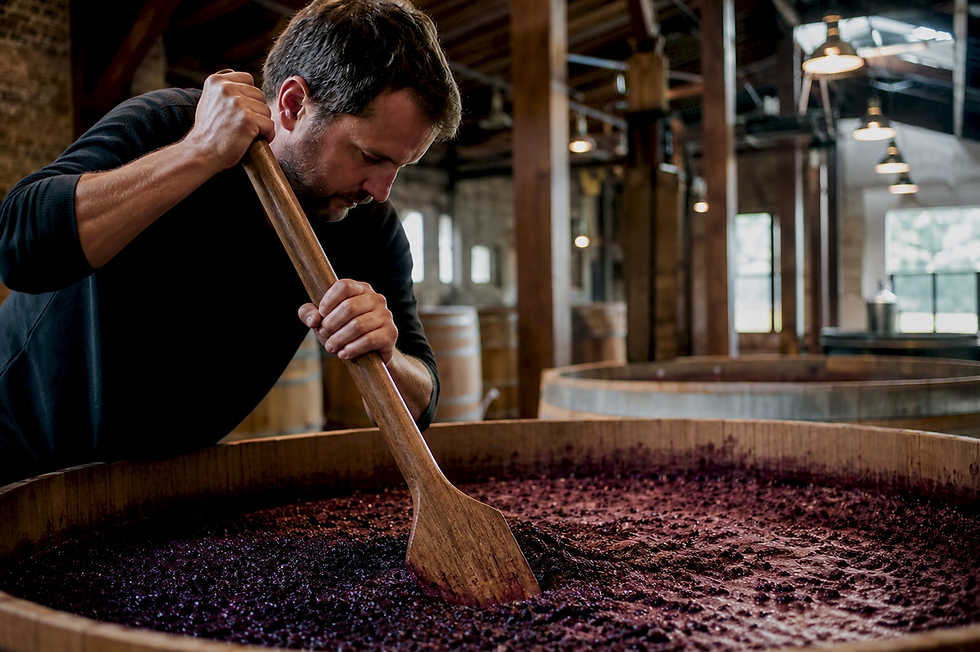
Saignée is a related method where winemakers “bleed off” a portion of pink juice early during red wine production, using that juice to make a separate rosé. It’s efficient, and it’s how a lot of dry rosé gets made.
White Zinfandel started the same way, with short skin contact for color. The twist was that stuck fermentation left residual sugar behind before the yeast could finish its job, which is why classic White Zin tastes sweet and clocks in at a lower ABV than most wines.
Dry rosé: short maceration, full fermentation, little to no leftover sugar.
White Zinfandel: short maceration, interrupted fermentation, noticeable leftover sugar.
Pro Tip: If a label says “fermented dry,” that bottle went the distance. If it doesn’t mention dryness at all, assume there’s sugar left in the tank.
Taste Test: Sweetness, Body, and ABV Side by Side
Here’s where the rubber meets the road. White Zinfandel tastes like strawberry candy and ripe melon, with a soft, almost syrupy sweetness on the finish. Dry rosé tends to lead with citrus, herbs, or red berries, finishing crisp instead of sweet.
White Zinfandel: strawberry, watermelon, light sweetness, soft acidity, ABV around 8 to 10%.
Dry rosé: cranberry, grapefruit, dry finish, brighter acidity, ABV around 12 to 13%.
That ABV gap isn’t small. A two to five percentage point difference in alcohol is enough that you’ll notice White Zin feels lighter in the glass, almost like a wine spritzer compared to standard rosé.
Sweetness also changes how food tastes alongside it. A sweet White Zin can tame a fiery curry, while a high-acid dry rosé cuts through richer, fattier dishes. Curious where your personal sweetness line sits? Our guide to wine sweetness breaks down residual sugar in plain English.

Reading the Color: What Pink Actually Tells You
Color runs a huge spectrum in this category, from pale onion-skin to deep salmon and even light ruby. White Zinfandel usually lands in a consistent, candy-pink zone, while dry rosé can be almost clear-pink or notably darker depending on the grape and region.
Pale pink often (not always) signals a drier, lighter-bodied style.
Deeper pink can mean more skin contact, more flavor intensity, or just a different grape.
Pro Tip: Don’t trust color alone. Check the ABV and any words like “dry” or “off-dry” on the label before you buy, since a deep-colored rosé can still be bone-dry.
Food Pairing and Serving Tips for Both Styles
Sweet White Zinfandel and dry rosé call for different dinner plans. Match the wine’s sweetness to your food, and you’ll avoid the classic beginner mistake of pairing a delicate dry rosé with something that overpowers it.
White Zinfandel: spicy Thai or Szechuan dishes, barbecue, fruit-based desserts, or a simple cheese plate.
Dry rosé: grilled shrimp, salads with vinaigrette, roast chicken, or a charcuterie board.
Serve both chilled, around 45 to 50°F, in a standard white wine glass.
Pink wines aren’t built for long-term aging. Drink most bottles within one to two years for the freshest fruit flavor.
For a deeper dive into matching pink wines to your table, our rosé pairing guide covers more combinations.
How to Pick a Bottle Without Overthinking It
Standing in the wine aisle doesn’t have to feel like a pop quiz. Run through this quick checklist and you’ll walk out with something you’ll actually enjoy.
Check the ABV. Lower numbers (8 to 10%) usually mean sweeter wine; higher numbers (12%+) usually mean dry.
Scan for label words. “Dry” or “off-dry” signals less sugar; no mention at all often means sweeter.
Look for the grape name. “Zinfandel” on the label means you’re getting the classic sweet style.
Consider the price. White Zinfandel typically sits at budget-friendly prices, while dry rosé and specialty Zinfandel rosés can cost more.
Ask before you buy. Most wine shops will let you sample, and if not, grab a low-ABV bottle labeled “dry” if you want less sweetness.
A Wine Educator’s 3-Sip Checklist for Beginners
You don’t need a sommelier certificate to tell sweet from dry. Try this the next time you pour a glass:
Look: Note the color. Pale, medium, or deep pink?
Smell: Take a big sniff. Do you catch berries, citrus, or candy-like fruit?
Sip one (front palate): Does sweetness hit immediately?
Sip two (mid-palate): Notice the acidity. Is it bright and mouthwatering or soft and round?
Sip three (finish): Does the sweetness linger, or does it snap dry?
Pro Tip: Jot down one line after each glass: “Sweet or dry? Berries or citrus?” That tiny habit builds your palate faster than any wine class lecture.
Why I Think Both Wines Deserve a Spot on Your Table
I get why White Zinfandel gets side-eyed by wine snobs, but that reputation misses the point. It’s an easy, unpretentious wine that introduced millions of people to pink wine in the first place, and there’s nothing wrong with liking what you like. Dry rosé earns its own praise for versatility at the dinner table. Try both side by side and let your own palate decide, not some outdated hierarchy about which pink wine is “serious.” Wine should be fun before it’s fancy.

Want to Taste the Difference for Yourself?
Reading about the difference between White Zinfandel and rosé only gets you so far. The real learning happens with a glass in hand, comparing sip by sip, and that’s exactly what Blameitonbacchus’s private wine classes are built for.
These beginner-friendly sessions skip the stuffy jargon and walk you through guided tastings, including pink wines, so you can pinpoint your own preferences instead of guessing at a store shelf. Classes run short and casual, with practical tasting practice you can actually use the next time you’re picking a bottle. If you’d rather start with the fundamentals first, The Elements of Wine covers the basics before you dive into styles like rosé. Check available class dates and reserve your spot today.
Sources
FAQ
Which Is Sweeter, Rosé or White Zinfandel?
White Zinfandel is almost always sweeter than standard rosé, since most rosés are made dry while White Zin keeps residual sugar from its stuck fermentation.
Is Rosé Wine Sweet or Dry?
It depends on the bottle. Most Provence-style rosés are dry, but off-dry and sweet rosés exist, so always check the label for “dry” or “off-dry” wording.
What Wine Is Equivalent to White Zinfandel?
Other off-dry to sweet pink wines, like blush Zinfandel blends or sweeter White Merlot styles, land closest to White Zinfandel in taste and sweetness.
Is Rosé Healthier Than White Wine?
Neither is definitively “healthier.” Calorie and sugar content depends on the specific bottle’s residual sugar and ABV, not the color of the wine.
Loading…
Recommended
Comments