What is wine decanting? Your beginner's guide to better wine

Updated: May 25

TL;DR:
Wine decanting involves pouring wine into a separate vessel to enhance aroma and remove sediment. It benefits young reds by aeration and older reds by sediment separation, but not delicate whites or sparkling wines. Proper decanting requires careful pouring with observation to avoid damaging the wine’s structure.
You grab a beautiful bottle of red, pour it straight into your glass, and wonder why it tastes a little flat or sharp. Sound familiar? That is what happens when you skip wine decanting, and honestly, most beginners have no idea they are missing a game-changer. What is wine decanting, exactly? It is simpler than it sounds, and once you get it, your whole tasting experience shifts. This guide breaks down what decanting wine actually means, why it matters, which wines need it, and how to do it without overthinking it.
Table of Contents
Key Takeaways
Point | Details |
Dual purpose of decanting | Decanting serves two main goals—helps wines breathe and removes sediment to improve taste and clarity. |
Not all wines need decanting | Sparkling, light-bodied, and very old delicate wines often should be served straight from the bottle. |
Slow, careful pouring | Pour wine slowly with light to avoid sediment, ensuring a clean, enjoyable glass. |
Taste before decanting | Assess the wine’s condition first to decide if decanting will enhance or harm its character. |
Decanting is precision | Treat decanting as a thoughtful, deliberate step tailored to the wine and guest preferences. |
What is wine decanting? Understanding the basics
Let’s clear this up right away. Wine decanting is the process of pouring wine from its bottle into another container (called a decanter) before serving, primarily to separate sediment or expose the wine to oxygen. That’s it. No mystery, no magic wand.
There are two distinct reasons you would decant a wine, and knowing the difference is everything:
Aeration: Exposing wine to air so it can “open up,” meaning its aromas bloom and its flavors become more expressive. Think of it like waking a wine up from a very long nap.
Sediment separation: Removing tiny particles that settle in older bottles, especially aged red wines. Those particles are harmless but bitter and gritty in your glass.
Letting wine breathe through a decanter gives it far more oxygen contact than simply pulling the cork and waiting. A wide-bottomed decanter maximizes the wine’s surface area touching the air. That exposure is what does the real work.
Sediment is a natural byproduct of aging. It forms when color pigments and tannins (the compounds that give red wine its grip and structure) clump together over time and sink to the bottom. Nobody wants that gritty texture in their glass, so you leave it behind.
Now that you know what wine decanting is, let’s explore why it’s beneficial and when to use it.
Why decant wine? The benefits of aeration and sediment removal
Here’s where it gets genuinely exciting. The benefits of wine decanting are not just for show. They are real, noticeable changes to how your wine tastes and smells.
For younger wines, aeration is the star of the show. Decanting most often helps younger, structured red wines because oxygen makes aromas and flavors more expressive. A bold Cabernet Sauvignon or a grippy young Barolo can taste tight and aggressive right out of the bottle. Give it 30 to 60 minutes in a decanter, and it softens, opens up, and becomes genuinely enjoyable.
For older wines, sediment removal is the priority. Decanting is particularly useful for older red wines and some fortified wines like Vintage Port when sediment has formed, because separating the clear wine from that gunk reduces bitterness and grittiness.
Here’s the overlap that trips people up:
A young wine might need aeration but has zero sediment.
An old wine might need sediment removal but should not be aerated too long or it will fade.
Some wines fall in the middle and need both.
Aeration also fixes something called reductive aromas. These are funky, sometimes sulfurous smells that develop when a wine has been in a bottle without enough oxygen. A quick decant blows those off in minutes and reveals the actual fruit and complexity underneath.
Wine sediment explained in full helps you understand why this happens, but the short version is: sediment is just part of how wine evolves.
Pro Tip: Smell your wine before and after decanting. The difference in aroma alone is often enough to make you a decanting convert for life.
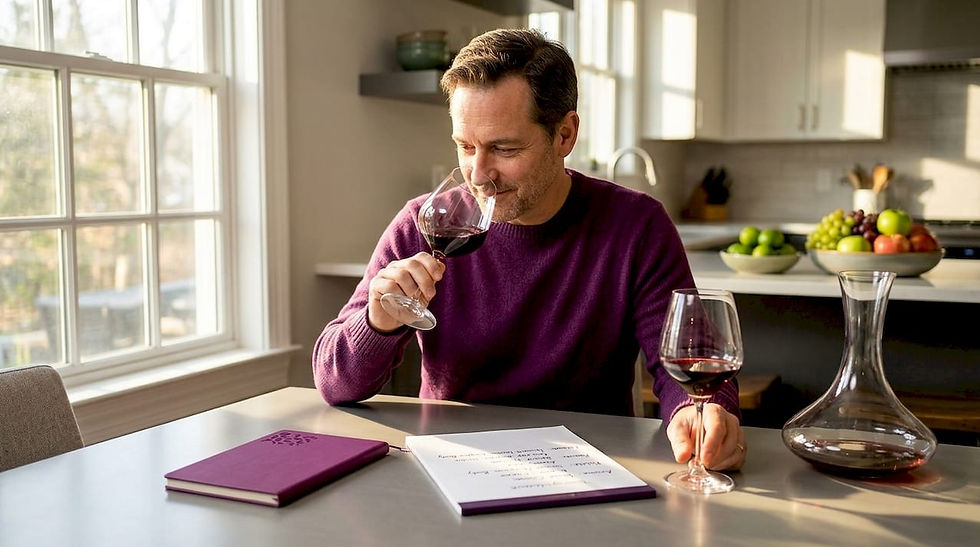
Understanding why decanting helps leads us to when and how to apply it correctly.
Which wines should you decant? Making the right choice
Not every bottle needs this treatment. And decanting the wrong wine can actually hurt it. Here is how to make the call.
Sparkling wines and many delicate light-bodied styles should go straight from bottle to glass. Decanting them exposes them to too much air, flattening sparkle and dulling freshness. Same goes for fragile and aromatic wines like older white Burgundy and aged Riesling. These are wines that have developed their beauty slowly, and too much oxygen exposure just crashes the party.
For serving wine perfectly, understanding what each bottle needs is half the game. Here is a simple cheat sheet:
Wine type | Decant? | How long? |
Young bold red (Cab, Syrah, Barolo) | Yes | 30 to 60 minutes |
Aged red with sediment (10+ years) | Yes, carefully | 20 to 30 minutes max |
Full-bodied white (oaked Chardonnay) | Sometimes | 10 to 15 minutes |
Light-bodied red (Pinot Noir) | Maybe, briefly | 10 to 20 minutes |
Sparkling wine (Champagne, Prosecco) | Never | N/A |
Delicate aged white (old Riesling) | Never | N/A |
Vintage Port with sediment | Yes, carefully | 30 minutes |
The key variable is the wine’s age and structure. A wine that is young and tannic wants air. A wine that is old and delicate wants gentle handling. When in doubt, taste it first. That one sip tells you more than any rule.
To apply this knowledge, let’s review the practical steps and tips for decanting your wine properly.
How to decant wine: step-by-step for beginners
Ready to actually do this? Good. It is easier than you think, and I promise you will feel like a pro by the third time.
Stand the bottle upright for at least a few hours before opening, ideally overnight. This lets any sediment sink to the bottom instead of swirling around.
Open the bottle carefully and wipe the neck clean. No sudden movements.
Grab a light source, like a candle or your phone’s flashlight, and hold it beneath the bottle’s neck as you pour. This lets you see the wine and, more importantly, see when sediment starts creeping toward the opening.
Pour slowly and steadily in one continuous motion. Do not stop and start, because that agitates the sediment. Pouring wine slowly avoids disturbing sediment and creating air pockets when decanting.
Stop when you see the sediment reaching the neck. You will sacrifice maybe a half-glass worth of wine, but that is infinitely better than gritty, bitter mouthfuls.
Let it sit and breathe in the decanter for the appropriate time based on the wine type. Refer back to that table above.
Taste before and after. Seriously, do this. The before-and-after taste test is one of the most educational moments in wine, and it makes letting wine breathe click in a real, tangible way.
For aeration-only decanting (no sediment issue), steps 3 through 5 are not critical. You can pour more freely and just let the wine sit. The goal there is simply maximum air contact.
Pro Tip: If you do not own a decanter, a clean glass pitcher works just fine. The vessel matters far less than the technique and the time.
With these steps, you will decant confidently and enjoy your wine at its best.

Common misconceptions and key expert tips to avoid decanting mistakes
Here is where a lot of beginners go sideways. They hear “decant your wine” and assume it always makes things better. It does not.
Let’s bust some myths:
“All red wine should be decanted.” Nope. Light, delicate reds like a fragile old Burgundy can actually fall apart with too much air.
“Longer decanting is always better.” A young Cabernet might thrive after an hour. That same approach on a 20-year-old wine could strip it of everything that makes it interesting.
“Decanting fixes bad wine.” It does not. It enhances good wine. It cannot rescue a bottle that is already past its prime or just not great.
“Some older wines can be harmed by excessive oxygen, so decant selectively based on the wine’s condition.” This is the pro mindset, not a blanket rule.
The bigger mistake is treating aeration and sediment removal as the same task. They are not. Decanting exposes wine to oxygen to breathe, but sediment handling is a separate process. Mixing the two up leads to less-than-great results.
The fix is simple: taste first. Take a small sip right out of the bottle. If it tastes shut down or aggressive, it wants air. If it tastes beautiful and complex already, pour it gently and serve. Check wine sediment tips if you are ever unsure whether what you see in the bottle is actually sediment.
Now that you understand common pitfalls, let’s explore a fresh perspective on decanting that few explain.
The overlooked truth about wine decanting: precision over ceremony
I see decanting treated as a performance all the time. Someone hauls out a gorgeous crystal decanter, makes a big show of the pour, and calls it done. But they never asked whether that wine actually needed it. And that is the part that gets skipped most often.
Sommelier-service training treats decanting as a precision decision, one that assesses the wine’s actual needs and even the guest’s preferences before proceeding. That means tasting the wine, checking its age, and sometimes just deciding not to decant at all. That is not laziness. That is respect for the bottle.
I think a lot of beginners feel pressure to decant because it looks sophisticated. But understanding wine aging shows you that sophistication is knowing when not to do something just as much as knowing when to do it.
The wines that move me most are the ones that were handled thoughtfully, not the ones that got the longest decant. Precision in timing separates a good experience from a genuinely memorable one.
So before you reach for that decanter, ask yourself two questions. What does this wine need? And what do I actually want from it tonight? Those answers will always point you in the right direction.
Enhance your wine journey with curated resources and gear
If this guide got your wine curiosity buzzing, I want to keep that momentum going for you. Learning how to decant is just one piece of the puzzle. The real joy is building your full wine knowledge through the elements of wine, from how grapes grow to why certain regions produce certain styles.

And hey, if you are going to geek out on wine, you might as well look the part. The men’s Wine God hoodie is the perfect way to wear your wine obsession proudly. Whether you are gifting it or treating yourself, it is the kind of thing that makes every wine night feel a little more official. Explore both at Blame It On Bacchus and keep that enthusiasm going.
Frequently asked questions
What exactly does decanting wine mean?
Decanting wine means pouring it from its bottle into a separate container, typically to separate sediment or expose the wine to oxygen, both of which can improve its flavors and aromas before serving.
Do all wines benefit from decanting?
No. Sparkling wines and delicate light-bodied styles are usually better straight from the bottle, while younger tannic reds benefit from aeration and older reds may need sediment separation. Every wine is different.
How do I decant wine properly to avoid sediment in my glass?
Stand the bottle upright beforehand, then pour slowly with a light source under the neck to watch for sediment, and stop pouring as soon as the sediment approaches the bottle’s opening.
Can white wines be decanted?
Some fuller-bodied whites benefit from a brief 10 to 15-minute decant to open up aromas, but most delicate whites and all sparkling wines are best poured straight from the bottle to keep their freshness intact.
Recommended
Comments