Match Wine to Sauce, Not Meat: Backyard Barbecue Pairings

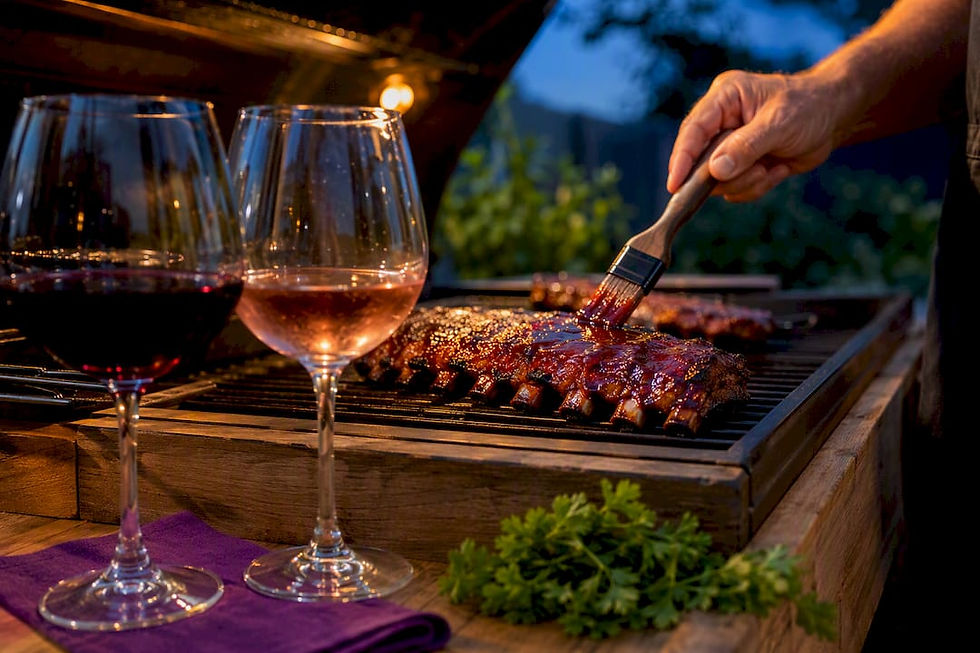
Fruit-forward, low-to-moderate-tannin reds are your best friend at a barbecue, and I mean Zinfandel, Malbec, and Syrah or Grenache. Chilled dry rosé and sparkling wine round out the squad as the wines that go with almost anything on the grill. The real trick isn’t matching wine to meat. It’s matching wine to sauce and heat level. Keep reading for the meat-by-meat breakdown.
TL;DR:
Fruit-forward, moderate-tannin reds like Zinfandel, Malbec, and Syrah are best for barbecue, especially with sweet or smoky sauces.
Bright acidity or a touch of sweetness in wine helps counteract spicy, vinegar-based, or high-heat sauces, while heavily oaked wines often clash with smoke.
Smaller reds like Pinot Noir or lighter whites such as Sauvignon Blanc pair better with subtle or lighter dishes, while bolder reds suit meat with intense flavors.
Proper wine temperature enhances pairing: chill big reds for 15-20 minutes before serving, and keep whites and rosé between 45-50 degrees.
Classic reliable choices include dry rosé, sparkling wine, and fruit-forward reds, which pair well with a wide range of barbecue styles and sides.

Table of Contents
The Quick Shortlist For Wine With Barbecue
Standing in the wine aisle with a cart full of ribs and no idea what to grab? I’ve got you. Here’s the cheat sheet, style by style.
Zinfandel: Jammy and bold enough to stand up to sweet, smoky sauces without getting bulldozed.
Malbec: Soft tannin and dark fruit that handles char and smoke like it was born for it.
Syrah/Shiraz: Peppery and full, a natural with anything kissed by fire.
Grenache/Côtes du Rhône: Juicy red fruit with a light touch, great for dry rubs and lighter sauces.
Rioja/Tempranillo: Earthy and food-friendly, the reliable utility player of the bunch.
Pinot Noir: Lighter-bodied and versatile when smoke is subtle and sauce is minimal.
Off-dry Riesling: A touch of sweetness tames spice and cuts through fat.
Sauvignon Blanc: Crisp and zippy, made for grilled chicken and veggies.
Dry rosé: The barbecue’s best wingman, goes with practically everything on the table.
Sparkling wine: Bubbles reset your palate between bites, no matter how messy things get.
This isn’t about brand names. It’s about style, so grab whatever bottle on the shelf fits the description.
Why These Pairings Actually Work
Here’s the thing nobody tells you: tannin matters a lot less with barbecue than it does with a steak dinner. Slow-cooked barbecue turns tender and fatty, and that fat softens a wine’s grip on your palate. That’s why a wine that would feel harsh next to a lean filet suddenly feels smooth next to pulled pork.
Oak is the trap people fall into. A heavily oaked Chardonnay or Cabernet can clash with smoke, since oak-derived vanillin plus wood smoke often reads as bitter or muddled instead of complementary. Fruit-forward beats oak-forward at every cookout, full stop.
Acidity is your palate cleanser. When a sauce brings vinegar, mustard, or serious heat, you want a wine with bright acidity or a whisper of sweetness to balance it out, not a big oaky bruiser.
Pro Tip: Big reds like Zinfandel and Malbec actually taste better with a 15 to 20 minute chill in the fridge on a hot day. Room temperature red wine at an outdoor barbecue tastes flabby and boozy.
Fat softens tannin, so bolder reds work better with barbecue than with lean cuts.
Skip heavily oaked wines near smoke.
Lean on acidity and a touch of sweetness for spicy or vinegar-forward sauces.
What Wine Goes With Barbecue, Meat By Meat
This is where the sauce conversation gets specific, because “ribs” isn’t one pairing question. It’s at least two, depending on what’s dripping off them.
Ribs, Kansas City style (sweet and sticky): Reach for Zinfandel or Shiraz. Sweet tomato-based sauce needs a wine with enough ripe fruit to match its intensity, and Good Housekeeping’s own pairing chart backs California Zinfandel for ribs for exactly this reason.
Ribs, Memphis dry rub: Switch to Grenache or a Côtes du Rhône blend. No sauce means no sugar to match, so you want something juicy but not jammy.
Brisket, smoked and unsauced: Tempranillo or a northern Rhône Syrah earns its spot here. Both bring enough earthy depth to stand next to smoke without fighting it.
Brisket, sauced: Go riper. A juicier Zinfandel or Malbec handles the extra sweetness and tang without losing itself.

Pulled pork, vinegar-based sauce: This is rosé or off-dry Riesling territory, since sauce style is really the main thing driving the pairing decision here, and a vinegar-forward sauce wants acid and maybe a hint of sugar to answer back.
Pulled pork, sweet sauce: Zinfandel or Grenache again. Sweet sauce, fruit-forward wine, done.
Burgers: Rioja, Malbec, or Côtes du Rhône all handle a burger’s char and richness with ease. If cheese, bacon, or caramelized onions are involved, lean toward Malbec for the extra weight. Loading up a build with pickles, grilled onions, and specialty hamburguesas toppings only strengthens the case for a wine with real fruit and soft tannin to match the richness.
Grilled chicken: Sauvignon Blanc, dry rosé, or an unoaked Chardonnay keep things light and clean. Chicken doesn’t need a heavyweight.
Spicy chicken: Off-dry Riesling or Gewurztraminer step in here, since a little residual sugar tames heat far better than a dry red ever could.
Seafood and grilled vegetables: A Provence-style rosé, Albariño, or an Etna Bianco style white brings the acidity and freshness these lighter dishes actually want.
How To Serve And Buy Wine For A Backyard BBQ
Getting the wine right on the label means nothing if it’s the wrong temperature in the glass. Here’s the game plan.
Serve fuller reds like Zinfandel and Malbec around 60 to 65 degrees, and lighter reds like Pinot Noir closer to 55 to 60.
Serve rosé and white wines between 45 and 50 degrees, and sparkling wine colder, around 40 to 45.
Chill big reds in the fridge for just 15 to 20 minutes before pouring, and give rosé or white 30 to 40 minutes if it’s been sitting out.
Plan for approximately one bottle per a few guests at a mixed-drinks barbecue, more if wine is the main pour.
Budget $10 to $20 per bottle for a crowd, and don’t be shy about asking the shop staff for a fruit-forward red or a dry rosé by name.
Nobody’s grading you on decanting here. Barbecue wine is meant to be poured, sipped, and refilled, not fussed over.
Three Wines That Never Let You Down
If you only remember three bottles from this entire article, make it these.
Dry rosé (Provence style): It handles ribs, chicken, and veggie skewers in the same meal without missing a beat, and it looks great doing it.
Sparkling wine (Cava or Prosecco level): Bubbles cut through fat and reset your palate between bites the same way a cold beer does, minus the beer.
Fruit-forward red (Malbec or Grenache): Sweet sauce, dry rub, smoky char, this pairing shrugs it all off.
Buy multiple bottles of each if hosting a moderate to large group. Nobody’s ever been mad about extra rosé.
Why Trust Blame It On Bacchus On This
Blameitonbacchus built its whole thing around making wine feel less intimidating, from beginner-friendly online wine classes to a shop full of wine-themed gear for the person who always brings the good bottle. This guide comes from Thomas, a contributor who writes regularly on food and wine pairing. Curious about pairing heavier cuts too? Check the guide on steak and wine pairings or browse the full food and wine pairing library for more.
Don’t Forget The Sides: Pairing Wine With BBQ Extras
Nobody plans their wine around the coleslaw, and that’s a mistake. Creamy sides like potato salad, mac and cheese, or classic coleslaw actually need a wine with some acidity to cut through all that richness, which is exactly what a dry rosé or a crisp Sauvignon Blanc brings to the table.

Cornbread and baked beans lean sweet, so a fruit-forward red like Grenache won’t feel out of place sitting next to them. Grilled corn with butter and lime wants something bright and citrus, so keep that Sauvignon Blanc or Albariño nearby.
Condiments matter more than most hosts realize. A tangy barbecue sauce with a vinegar kick pulls the whole plate toward acid, so don’t pour a soft, low-acid red next to it. Pickles and mustard-based sides push even harder in that direction. Ketchup-heavy sides are sweeter and gentler, so they play nicely with almost anything fruit-forward.
The easiest fix at a big spread is to just pour rosé or sparkling across the board. Both have enough acidity to handle a table covered in mayo-based salads, sweet baked beans, and three different sauces without any single side throwing off the whole glass. Save the bolder reds for the meat itself, and let the lighter pours handle the side dish chaos.
Wine For Vegetarian And Vegan Barbecue
Grilled vegetables, plant-based burgers, and smoky tofu skewers still play by the same rules: match the wine to the sauce and the char, not to whether there’s meat on the plate.
Grilled portobello mushrooms and eggplant bring a meaty, smoky flavor that works beautifully with a light-bodied red like Pinot Noir or Grenache. Char-grilled corn, zucchini, and peppers want something crisp and citrusy, so pour Sauvignon Blanc or a dry rosé instead.
Plant-based burgers and sausages, especially ones with a smoky glaze or barbecue marinade, hold up well against Malbec or Tempranillo, the same wines that work for a beef burger. If the veggie dish leans sweet, think glazed grilled sweet potatoes or a barbecue jackfruit sandwich, stick with a fruit-forward red or an off-dry Riesling to match the sugar.
Smoked tofu and tempeh skewers pick up a surprising amount of char flavor on the grill, closer to brisket than people expect, so a Tempranillo or northern Rhône style Syrah pairs shockingly well.
The good news for vegetarian and vegan hosts is that almost nothing on this list requires a special trip. The same bottles carrying the rest of your barbecue table, rosé, sparkling, Grenache, Sauvignon Blanc, cover the plant-based dishes too.
Taming The Heat: Wine With Spicy Barbecue
Spicy barbecue and big tannic red wine is one of the worst combinations at a cookout. Tannin and alcohol both amplify the burn of chili heat, which is the last thing you want when someone’s already reaching for a napkin.
Off-dry Riesling is the move here. A touch of residual sugar tames capsaicin’s bite far more effectively than a dry wine ever could, which is exactly why it shows up again and again on pairing charts for spicy chicken and hot sauces. Gewurztraminer does the same job with a little more floral perfume if you want a change of pace.

If red is non-negotiable, go light and fruity, think Grenache or a young Pinot Noir, and skip anything with heavy oak or high alcohol. High-alcohol wines make spicy food taste hotter, not softer. Sparkling wine is another smart move for a spicy spread, since the bubbles and chill provide relief between bites the same way a cold drink does.
One more thing worth knowing: acidity helps, but sweetness helps more with real chili heat. That’s the whole reason off-dry styles keep winning this particular pairing fight.
Game Meats And Plant-Based Proteins On The Grill
Venison, duck, and other game meats bring a deeper, gamier flavor than beef or pork, and they usually want a wine with more structure to match. A northern Rhône Syrah or a Tempranillo works well here, echoing the same logic used for smoked brisket: earthy, food-friendly reds that don’t shy away from bold flavor.
Duck breast, especially with a fruit glaze common at summer cookouts, pairs nicely with Grenache or even a lightly chilled Pinot Noir if the preparation is on the lighter side.
Plant-based proteins, think seitan steaks, jackfruit “pulled pork,” or hearty grilled mushroom caps, tend to take on whatever sauce they’re cooked in more than they bring their own distinct flavor. That means the sauce, not the protein, should drive your wine choice. A jackfruit sandwich doused in sweet barbecue sauce wants the same Zinfandel you’d pour with pulled pork. A grilled mushroom cap with a dry rub wants the same Grenache you’d pour with Memphis-style ribs.
The takeaway across both categories: game meats reward the same earthy, structured reds as smoked, unsauced barbecue, while plant-based proteins simply follow whatever sauce rule already applies elsewhere in this guide.
Ready To Pour With Confidence?
If this guide made you realize you’re more curious about wine than you thought, that’s kind of the point. Blameitonbacchus’s online wine classes walk total beginners through tasting, pairing, and picking bottles with actual confidence, no pretension required. And if you’re shopping for the person who always brings the wine to the cookout, the wine-themed shop has shirts, hats, and accessories that make a genuinely fun gift.
The Real Lesson Barbecue Wine Teaches You
Most pairing advice treats barbecue like a single dish, and that’s the mistake. Ribs, brisket, pulled pork, and grilled corn have almost nothing in common except a grill, so the “one perfect wine for barbecue” framing that a lot of guides push is a little bit backwards. Sauce and smoke level tell you more than the protein ever will.
The advice that undersells itself the most is the temperature guidance. Hosts pour big reds warm because that’s what they’re used to at a dinner table, and it makes an otherwise great bottle taste flabby in July heat. A 15 minute fridge stop fixes more pairing complaints than swapping the wine ever does.
If you take one thing from this guide, prioritize sauce over species. Figure out whether you’re dealing with sweet, vinegar, mustard, or dry rub before you even glance at the wine list, and the rest of the decision gets a lot easier.
— Thomas
Sources
FAQ
What are the best wines for barbecue?
Fruit-forward, moderate-tannin reds like Zinfandel, Malbec, Syrah, and Grenache are the most reliable choices, alongside chilled dry rosé and sparkling wine for lighter fare.
What kind of wine pairs well with grilled baby back ribs?
For sweet, sticky Kansas City style ribs, pour Zinfandel or Shiraz; for dry-rubbed ribs without sauce, Grenache or a Côtes du Rhône blend works better.
What alcoholic drinks go with BBQ?
Wine-wise, stick with fruit-forward reds, dry rosé, or sparkling wine, since all three handle smoke, fat, and sauce without clashing the way heavily oaked or very tannic wines can.
What pairs well with BBQ overall?
The safest bets for a mixed spread are dry rosé, sparkling wine, and a fruit-forward red like Malbec or Grenache, since all three flex across sweet sauces, dry rubs, and smoky char without a wardrobe change.
Recommended
Comments