Top 15 Fun Facts About Wine Every Beginner Should Know

Updated: May 25
TL;DR:
Wine originated in Georgia around 6000 B.C. and was used in social and religious rituals.
Pinot Noir has remained genetically unchanged since the medieval period, preserving its flavor profile.
There are over 10,000 grape varieties, with diverse aromas and blending options enhancing wine enjoyment.
Wine has been around for over 8,000 years, and honestly, that blows my mind every time I think about it. We’re talking ancient clay jars, grape-stained hands, and communities gathering around something that still brings people together today. The oldest winemaking site dates back to 6000 B.C. in the country of Georgia, which means wine is older than the wheel. Pretty wild, right? Whether you’re a total beginner or someone who just wants to sound impressive at your next dinner party, these fun facts will make every sip a little more meaningful.
Table of Contents
Key Takeaways
Point | Details |
Ancient history | Winemaking traces back over 8,000 years, impacting social rituals and culture. |
Timeless grapes | Some grape varieties, like Pinot Noir, have been preserved unchanged since medieval times. |
Diverse options | Wine boasts thousands of grape varieties, blends, and aromas that encourage exploration. |
Enjoyment factors | Proper storage and aging contribute to flavor, but most wines are delightful even when young. |
Knowledge boosts fun | Knowing facts makes wine more enjoyable and provides conversation starters at any gathering. |
Wine’s ancient origins and cultural impact
Now that we’ve piqued your curiosity, let’s start with wine’s deep historical roots and its lasting social significance.
Wine didn’t start in some fancy French chateau. It started in the ground, in Georgia, around 6000 B.C. Archaeologists found massive clay jars, called qvevri, that could hold over 300 liters of wine each. That’s not a personal stash. That’s a community celebration waiting to happen.
Scientists confirmed grape usage by finding tartaric acid residue inside those ancient jars. Tartaric acid is a natural byproduct of fermenting grapes, so there’s no mistaking what was going on in those vessels. This wasn’t elite-only drinking either. Evidence suggests wine was woven into everyday rituals, social gatherings, and even religious ceremonies across many ancient cultures.
Here are some jaw-dropping highlights from wine’s ancient past:
Ancient Georgians used qvevri jars buried underground to ferment and store wine naturally
Tartaric acid residue confirmed grape fermentation going back thousands of years
Wine shaped rituals, trade routes, and social bonds across civilizations
Ancient Egyptians, Greeks, and Romans all had their own wine cultures and traditions
Wine was often safer to drink than water in ancient times, which made it a daily staple
Era | Region | Wine Fact |
6000 B.C. | Georgia | Oldest known winemaking site discovered |
3000 B.C. | Egypt | Wine used in religious offerings and burials |
800 B.C. | Greece | Wine trade spread across the Mediterranean |
100 A.D. | Rome | Romans planted vineyards across Europe |
“Wine is one of the most civilized things in the world.” — Ernest Hemingway
Understanding wine vintage basics gives you a whole new appreciation for how geography and time shape every bottle. Ancient winemakers knew this instinctively, even without the science to explain it.
Unchanged grape varieties: The story of Pinot Noir
From ancient wine vessels to timeless grape varieties, let’s look at the story of Pinot Noir.
Pinot Noir is basically the Beyoncé of wine grapes. It’s been around forever, it’s iconic, and it has barely changed. Genetic analysis shows that Pinot Noir has been cloned since medieval times, with its DNA largely unchanged since 15th century France. That means the Pinot Noir in your glass today is a direct descendant of what monks were drinking in the Middle Ages. How cool is that?
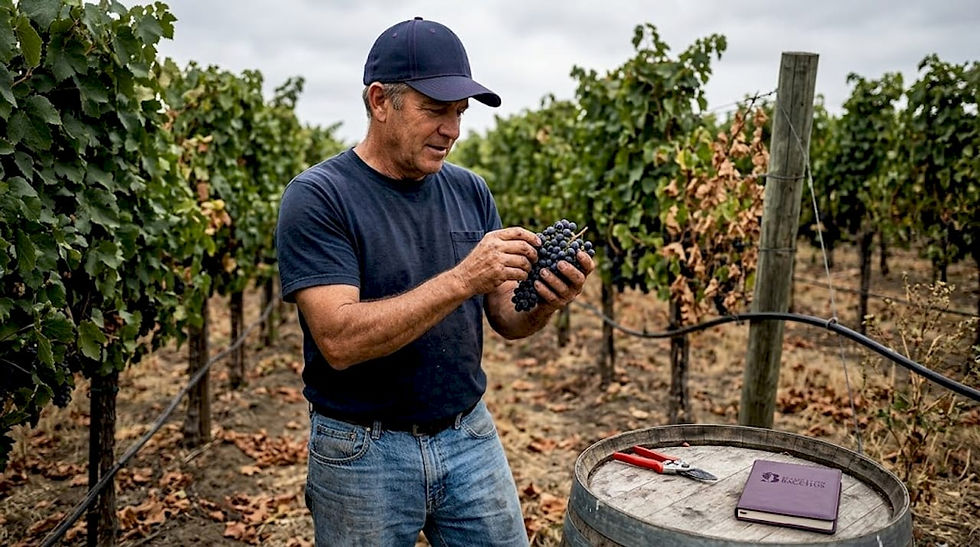
Cloning grapes isn’t a sci-fi thing. It’s actually how winemakers preserve the exact flavor profile of a beloved vine. When a grape is cloned, cuttings from the original plant are used to grow new vines that carry the same genetic traits. This is how Pinot Noir has kept its signature silky texture and earthy red fruit character for centuries.
Here’s what makes Pinot Noir stand out from the crowd:
Thin skin makes it delicate and sensitive to climate
Low tannins give it a smooth, easy-drinking quality
Complex aromas of cherry, mushroom, and earth
Historically significant as one of the oldest cultivated grape varieties
Versatile enough to shine in Burgundy, Oregon, and New Zealand
Grape Variety | Age of Cultivation | Key Characteristic |
Pinot Noir | ~1,000+ years | Genetically preserved since medieval times |
Cabernet Sauvignon | ~300 years | Natural cross of Cab Franc and Sauvignon Blanc |
Chardonnay | ~700 years | Highly adaptable to different climates |
Riesling | ~600 years | Known for aging potential and aromatic complexity |
Exploring the main types of wine grapes helps you understand why some varieties have lasted centuries while others faded away. And if you want to go deeper into the world of red wine types, Pinot Noir is a fantastic starting point.
Pro Tip: Next time you’re at a wine shop, grab a bottle of Pinot Noir from Burgundy, France. You’re literally tasting history in a glass.
The diversity of wine: Types, blends, and aromas
Having explored historical grapes, it’s time to discover today’s incredible diversity in wine types and aromas.
Here’s a fun fact that’ll knock your socks off. There are over 10,000 grape varieties used for making wine around the world. Ten thousand! And yet most of us rotate through maybe five or six favorites. That means there’s a whole universe of flavors out there waiting for you.
Wine blends are where things get really exciting. Winemakers combine different grape varieties to create something totally new, kind of like mixing your favorite playlist genres to find the perfect vibe. Some classic blends, like a Bordeaux-style red, use up to six different grapes working together in harmony. Each grape brings something to the party, whether it’s structure, fruit, spice, or silkiness.
And then there are aromas. Wine aromas range from bright and fruity (think strawberry, lemon, peach) to earthy and savory (think mushroom, leather, tobacco). These scents come from the grape itself, the fermentation process, and how the wine was aged. Understanding the wine bouquet is one of the most fun parts of getting into wine.
Here’s a quick look at the wild range of wine aromas:
Fruity: Cherry, blackberry, citrus, tropical fruit
Floral: Rose, violet, jasmine, elderflower
Earthy: Mushroom, wet stone, clay, forest floor
Spicy: Black pepper, cinnamon, clove, anise
Oak-influenced: Vanilla, toast, caramel, smoke
If you want to sound like a total pro, brush up on some wine terms explained so you can describe what you’re tasting with confidence. And don’t be afraid to explore wine blends as a way to expand your palate beyond the usual suspects.
Pro Tip: Try a Côtes du Rhône blend from France. It typically mixes Grenache, Syrah, and Mourvèdre, giving you a bold, spicy, and fruit-forward experience all in one glass.
Modern wine facts: Storage, aging, and enjoyment
Understanding diversity leads naturally to practical, modern facts that make your wine experience enjoyable and informed.
Okay, so you’ve got a great bottle. Now what? How you store and serve wine matters more than most people realize. Here are some practical facts that’ll level up your wine game right away.
Store bottles on their side. Keeping the cork moist prevents it from drying out and letting air sneak in. Air is wine’s enemy once the bottle is sealed.
Temperature is everything. Most wines are best stored between 45°F and 65°F. Too warm and the wine ages too fast. Too cold and it loses its character.
Not all wines get better with age. Most everyday wines are made to be enjoyed within one to three years of release. Only certain structured reds and sweet whites truly benefit from long aging.
Corks vs. screw caps is a real debate. Wine corking methods actually impact how a wine evolves over time. Corks allow tiny amounts of oxygen in, which helps aging. Screw caps keep things fresh and consistent.
Some wines peak after decades. A great Bordeaux or Barolo can take 20 or even 30 years to fully open up. Patience is a virtue when it comes to serious wine collecting.
Want to know more about when and why age wine? It’s a fascinating rabbit hole. But if you’re just getting started, don’t stress about cellaring. Focus on what tastes good to you right now. You can always learn wine basics and build from there.
Pro Tip: For casual weeknight drinking, skip the aging and go for wines labeled “drink now.” Save the serious aging for special bottles you’re genuinely excited about.
Why fun facts matter for wine enjoyment
Here’s my honest take: wine knowledge isn’t about impressing people. It’s about enjoying your glass more fully.
I’ve seen too many people feel intimidated by wine culture, like there’s a secret club with a velvet rope and a sommelier standing guard. That’s nonsense. Knowing that Pinot Noir has been around since medieval France, or that ancient Georgians were throwing wine parties 8,000 years ago, doesn’t make you a snob. It makes you curious. And curiosity is the best thing you can bring to a wine tasting.
Fun facts build confidence. When you know the story behind a bottle, you feel more connected to it. You ask better questions. You notice more flavors. You enjoy the experience on a deeper level, not because you’re trying to be fancy, but because you genuinely care.
The best wine drinkers I know aren’t the ones with the biggest cellars or the most expensive bottles. They’re the ones who approach every glass with a sense of wonder. Understanding wine basics is the first step toward that kind of enjoyment. Knowledge trumps status every single time.
Explore, learn, and celebrate wine with us
If you’ve enjoyed these fun facts, here’s how you can learn more and celebrate your love of wine.
At Blame It On Bacchus, we believe wine should be fun, approachable, and a little bit cheeky. Whether you’re a total beginner or just looking to sharpen your skills, our private wine classes are designed to make learning feel like a party, not a lecture.
And if you want to wear your wine love on your sleeve (literally), check out our wine god hoodie. It’s the perfect gift for yourself or the wine lover in your life. You can also tune into our winetainment channel for entertaining wine content that keeps the good vibes going. Come hang out with us. The wine is always flowing.
Frequently asked questions
What is the oldest evidence of winemaking?
The oldest winemaking site was discovered in Georgia and dates to around 6000 B.C., with clay jars showing grape residue and tartaric acid confirming fermentation.
How many grape varieties are used for wine?
There are over 10,000 varieties of wine grapes grown around the world, though only a few hundred are widely used in commercial winemaking.
Why does Pinot Noir have historical significance?
Pinot Noir has been genetically cloned since the Middle Ages, keeping its character remarkably consistent for over 600 years.
Does aging wine always improve its taste?
Not at all. Aging improves some wines but most everyday bottles are best enjoyed young, within a few years of their release date.
How does wine corking affect flavor?
Corking methods directly influence how a wine ages, with natural corks allowing slow oxygen exchange that supports development, while screw caps lock in freshness for early drinking.
Recommended
Comments