Opened Wine Shelf Life: 3–5 Days for Table Wines, Plus a Checklist

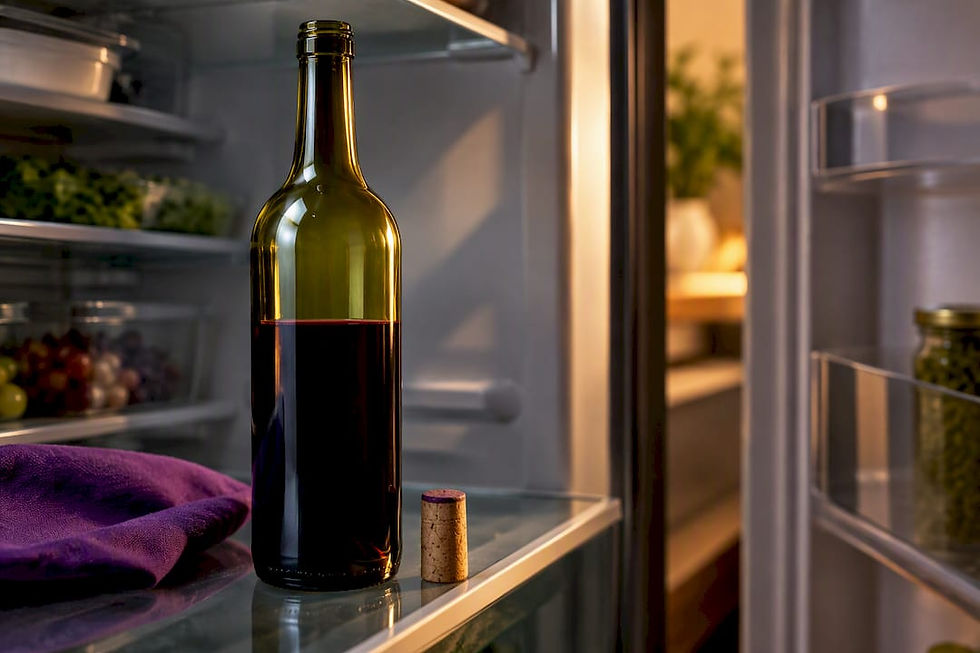
Most opened still wines stay good for a few days, sparkling wine fades within a day or two, and fortified or dessert wines can hang on for a much longer time. Reseal the bottle and stick it in the fridge right away, and if you want more time, grab a vacuum pump or inert gas spray. Want the full breakdown by wine type plus a cheat sheet? Keep reading.
Table of Contents
Why Does Opened Wine Go Bad?
Here’s the villain in this story: oxygen. The second you pull that cork, air rushes in and starts a chemical reaction called oxidation. It’s the same process that turns a sliced apple brown, except with wine, it strips away the bright fruit notes and starts pushing things toward flat, dull, or downright unpleasant. A little air contact right after opening (also called aeration) can actually wake up a young, tight red. But that window is short. What helps a wine for an hour can wreck it after three days.
Oxygen exposure is the main driver of change once a bottle is open, and temperature speeds up the whole process. A bottle sitting on your counter in a warm kitchen degrades faster than one tucked in the fridge, and direct sunlight makes things worse by breaking down delicate compounds. Light and heat are basically oxidation’s hype squad.
Then there’s headspace, the empty air pocket sitting above the wine in the bottle. A full bottle with just the cork popped has way less oxygen contact than a bottle that’s two thirds empty. That’s exactly why pouring your leftover wine into a smaller container works so well. Less air, less oxidation, more time before things go south.
Here’s a myth I want to squash: it’s not really about cork versus screw cap once the bottle’s open. The type of closure barely matters after that first pour because both are just trying to keep air out. What actually determines your wine’s fate is what you do next.
Quick recap of what actually accelerates wine’s decline:
Oxygen exposure from an open bottle or wide headspace
Warm storage temperatures
Direct light exposure
Leaving the bottle unsealed on the counter overnight
How Long Does Opened Wine Last By Type?
Not all wine ages the same way once opened, and the differences come down to structure: tannins, acidity, sugar, and alcohol all act like tiny bodyguards. Here’s how each category typically holds up.
Red wine: 3 to 5 days. Tannins and acidity give reds some staying power. A full-bodied Cabernet Sauvignon or Syrah can coast for close to five days in the fridge, while a lighter, more delicate red like Pinot Noir tends to fade faster because it has less structural backup.
White wine: 3 to 5 days. Crisp, high-acid whites like Sauvignon Blanc or Riesling generally outlast fuller, oakier styles. Chardonnay with heavy oak influence can lose its personality within a couple of days as the wood notes turn flat.
Rosé: 3 to 5 days. Rosé behaves a lot like white wine here. Keep it cold and sealed and it holds its crisp, fruity character reasonably well through the same window.
Sparkling wine: 1 to 2 days. This is the one that just won’t wait around. Sparkling wines lose carbon dioxide fast, and once the bubbles go flat, the party’s over even with a good stopper.
Fortified and dessert wines: weeks to months. Port, sherry, and Madeira are the marathon runners of the wine world. Higher alcohol and sugar content act like natural preservatives, which is why an opened bottle of Port can sit in your pantry for a month and still taste great.
Natural wines and low sulfite bottles are the wild cards here. They’re made with less sulfur dioxide protection, so they tend to shift faster and sometimes in unpredictable ways. And here’s the thing about all these ranges: they’re guidelines, not gospel. The only real test is your own nose and palate. If day 4 tastes fine to you, drink it. If day 2 already tastes off, don’t force it just because a chart said you had more time.
What’s the Best Way to Store an Opened Bottle?
Your move here depends on how long you need that wine to last. Think of it in three speeds: quick fix, medium hold, and long game.
For an overnight save, just re-cork the bottle (push it back in upside down if it’s crumbly) or use a rubber wine stopper, then refrigerate it standing upright. Cold slows down the oxidation clock significantly, and yes, this applies to red wine too, not just white. Refrigerating opened reds and whites alike is standard advice from wine experts, and pulling a chilled red out 20 to 30 minutes before you drink it again brings it back to a pleasant serving temperature.
If you’re stretching things out over a few days, bring in the tools:
Vacuum pumps suck excess air out of the bottle and reseal it with a rubber stopper, buying you extra days.
Inert gas sprays (usually argon) blanket the wine’s surface so oxygen can’t get to it, a favorite trick among restaurants pouring wine by the glass.
Sparkling wine stoppers clamp down to preserve fizz, though they can’t work miracles past day two.
Coravin systems use a needle to pour without ever pulling the cork, which is the closest thing to hitting pause on oxidation entirely.
Smaller bottle transfers work great when you’re down to the last glass or two. Less air, longer life, and zero cost since you probably have an empty half bottle sitting around already.
Pro Tip: Label your bottle with the date you opened it. It sounds obvious, but nobody remembers if that Malbec has been open for two days or five, and that memory gap is how good wine ends up down the drain.
Store your resealed bottles standing up, away from your stove, window, or anywhere warm and bright. How you store wine before opening also matters for setting it up to age well once you finally crack it open.
How Can You Tell If Opened Wine Has Gone Bad?
Skip the guesswork and trust your senses. Your nose and tongue are far more reliable than any calendar countdown.
Give it a smell first. A sharp, vinegar-like odor means acetic acid has taken over, which happens when wine gets exposed to too much oxygen for too long. A musty, wet cardboard smell signals a compound called TCA, more commonly known as cork taint. And a whiff that reminds you of a struck match or rotten eggs points to sulfur compounds gone rogue.
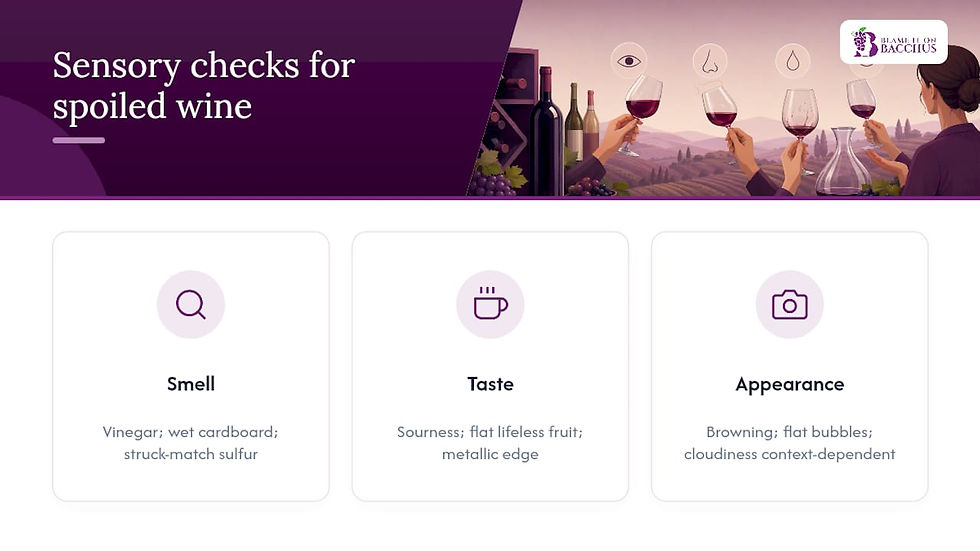
Taste tells the rest of the story. If it hits your tongue with an unexpected sourness, tastes flat and lifeless with none of its original fruit, or leaves a weird metallic edge, it’s past its prime.
Visually, browning is the most obvious tell in white wines, since a fresh white should stay pale gold or straw colored. For sparkling wine, flat, lifeless bubbles instead of a lively fizz are a dead giveaway. Cloudiness is trickier: it’s a red flag for most wines, but some natural, unfiltered wines are cloudy by design, so know your bottle before you panic.
Here’s the reassuring part: spoiled wine won’t send you to the ER. It’s just unpleasant, not dangerous. Worst case, you pour it out and pop something new.
Quick Reference: Opened Wine Shelf Life By Type
Wine Type | Typical Open Life | Best Storage | Discard If |
Red wine | 3 to 5 days | Re-cork, refrigerate upright | Vinegar smell, flat fruit, sour taste |
White wine | 3 to 5 days | Re-cork, refrigerate upright | Browning, dull aroma, sharp sourness |
Rosé | 3 to 5 days | Re-cork, refrigerate upright | Flat fruit, off smell |
Sparkling wine | 1 to 2 days | Sparkling stopper, refrigerate | Flat bubbles, dull taste |
Fortified/dessert | Weeks to months | Reseal, cool dark cupboard | Musty smell, vinegary edge |
These ranges shift based on how much wine is left, how it was sealed, and whether it hit the fridge fast. A bottle down to its last glass will oxidize quicker than a nearly full one, so transferring that small amount into a smaller bottle genuinely buys you extra days. When a range feels like a toss up, taste before you toss.
An Instructor’s Preservation Checklist
Here’s my go-to routine, and it’s the same one I walk students through in class: re-cork immediately, refrigerate upright, and write the date on a sticky note if you have to. If you’re down to under a third of the bottle, transfer it into something smaller to cut down on headspace.
Want to actually see oxidation at work? Taste the wine the moment you open it, then taste it again two days later. That side-by-side comparison teaches you more about how oxidation reshapes a wine’s character than any explanation ever could.
— Thomas
When Should You Save, Repurpose, or Pour Out a Tired Bottle?
A wine that’s lost its spark but hasn’t gone vinegary still has plenty of life left in your kitchen. Toss it into a pan sauce, a slow-braised stew, or a pitcher of sangria where a little extra oxidation actually blends right in.

If a bottle has crossed fully into vinegar territory, don’t force it down out of guilt. Let it finish the journey: strain it into a jar and turn it into actual cooking vinegar on purpose. And if you keep ending up with sad leftover bottles every week, that’s less a storage problem and more a sign to start buying smaller formats or splitting bottles with a friend.
Learn to Taste Freshness Like a Pro
Reading a shelf life chart only gets you so far. Actually training your nose and palate to catch oxidation, cork taint, or that first hint of vinegar is a skill, and it’s one Blameitonbacchus built its entire teaching approach around.

The Elements of Tasting course walks beginners through exactly what fresh fruit character looks like versus a wine that’s starting to fade, so you stop guessing and start knowing. If you’d rather learn with friends over actual glasses in hand, the private Guided Tasting sessions let a small group practice spotting these differences together, which honestly makes the lesson stick a lot better than reading about it ever could. Ready to stop wondering if that open bottle is still good? Book a class and start tasting with more confidence tonight.
Sources
FAQ
Can I Drink Wine 3 Months After Opening?
It depends entirely on the type. A fortified wine like Port or Sherry can genuinely still taste good after three months if it’s been resealed and stored cool, since alcohol and sugar act as natural preservatives. A regular red, white, or rosé will be long past its prime and almost certainly vinegary by then.
Can You Drink Two Year Old Opened Wine?
For a typical still or sparkling wine, no, two years open is way beyond any usable window and it will taste like vinegar or worse. Fortified and dessert wines are the exception, since their higher alcohol and sugar content lets them survive far longer than dry table wines.
Does Wine Ever Go Bad If Opened?
Yes, every opened wine eventually goes bad because oxygen exposure triggers oxidation the moment the bottle is opened. The speed depends on the wine’s structure and storage, but refrigeration and resealing meaningfully slow the process down.
Can I Drink Wine 4 Days After Opening?
For most red, white, and rosé wines, yes, four days is well within the typical 3 to 5 day window as long as the bottle was resealed and refrigerated. Sparkling wine is the exception, since it usually goes flat within 1 to 2 days regardless of how well it’s stored.
Does Closing the Bottle Without a Cork Actually Work?
Yes, a rubber wine stopper, a clean cork pushed back in, or even tightly wrapped plastic wrap held with a rubber band all work in a pinch. What matters most is minimizing air contact and getting the bottle into the fridge quickly, not the specific tool you use to seal it.
Recommended
Comments