Wine mouthfeel: A beginner's guide to tasting sensations

Updated: May 25

TL;DR:
Understanding wine mouthfeel enhances both tasting experience and wine selection by focusing on tactile sensations like texture, weight, and warmth. Recognizing sensations such as astringency, fizziness, or smoothness provides insight into wine components and improves descriptive accuracy. Developing awareness of mouthfeel helps beginners enjoy wine more, make better pairings, and deepen their appreciation beyond aromas and flavors.
You’ve been sipping wine for a while now, nodding along when someone mentions “notes of cherry” or “hints of oak.” But then someone says the wine has a “velvety mouthfeel” and you smile and nod like you totally get it. Here’s the thing: wine mouthfeel is one of the most exciting parts of wine tasting, and almost nobody talks about it enough. It refers to the physical sensations you feel in your mouth when drinking wine, completely separate from taste and aroma. Once you understand it, your whole wine experience levels up.
Table of Contents
Key Takeaways
Point | Details |
Mouthfeel definition | Mouthfeel is the tactile sensation in your mouth when drinking wine, distinct from taste and aroma. |
Mouthfeel framework | The mouthfeel wheel organizes sensations into astringency and tactile qualities to help describe wine precisely. |
Common sensations | Tannins cause dryness, acids add freshness, alcohol warmth, and bubbles create tingling. |
Describing mouthfeel | Focus on how wine feels on your palate using simple terms like smooth, dry, warm, or prickly. |
Tasting advantage | Understanding mouthfeel improves your wine enjoyment, selection, and tasting confidence. |
What is wine mouthfeel? Defining tactile sensations in wine
Let’s start at the beginning. Wine mouthfeel is not about flavor. It’s not about how your nose picks up raspberry or vanilla. It’s about how the wine feels when it’s in your mouth. Think of it like the difference between how coffee tastes versus how it feels when it’s hot and thick sliding down your throat. Same idea.
When we talk about wine aroma basics, we’re talking about what your nose is doing. Taste is what your tongue picks up: sweet, sour, bitter, salty, umami. But mouthfeel? That’s your whole mouth getting involved. It’s the roughness on your gums from tannins, the tingly fizz on your tongue from bubbles, the warmth spreading through your throat from alcohol.
Scientifically speaking, mouthfeel includes tactile and chemosensory sensations triggered by wine components interacting with your oral nerves and saliva. But you don’t need a lab coat to feel it. You just need to pay attention to what’s happening beyond the flavor.
Here’s a quick breakdown of what mouthfeel actually covers:
Texture: Is the wine silky, rough, or gritty?
Weight: Does it feel light like water or heavy like cream?
Warmth: Do you feel heat from the alcohol?
Dryness: Does it make your mouth feel parched?
Tingling: Are there bubbles creating a fizzy sensation?
Smoothness: Does it glide easily, or does it feel grippy?
These are all mouthfeel sensations. And once you start noticing them, you can never un-notice them. Welcome to the club.
The mouthfeel wheel: Organizing the sensations you feel
Wine experts love a good framework, and the mouthfeel wheel is one of the best tools in the tasting toolkit. Think of it as your sensory GPS. Instead of fumbling around trying to describe what you feel, the wheel gives you a structured map.
The mouthfeel wheel separates astringency from tactile sensations and organizes sub-qualities like dryness, smoothness, weight, warmth, and texture into clear categories. That distinction between astringency and tactile sensations is actually really important, and here’s why.

Astringency is that puckering, mouth-drying feeling you get from red wines like Cabernet Sauvignon. It’s caused by tannins binding to proteins in your saliva. It’s not a flavor. It’s a physical reaction. Tactile sensations are the more general feelings: is the wine heavy or light? Warm or cool? Smooth or grainy?
Sensation category | What it feels like | Common wine example |
Astringency | Drying, puckering, grippy | Cabernet Sauvignon |
Smoothness | Silky, velvety, soft | Pinot Noir |
Body/weight | Light, medium, or full | Rosé vs. Zinfandel |
Warmth | Heat in throat, burning sensation | High-alcohol reds |
Texture | Creamy, grainy, thin | Chardonnay vs. Pinot Grigio |
Fizz | Tingly, sparkling, effervescent | Champagne, Prosecco |
Getting familiar with these categories makes it so much easier to put your experience into words. And if you want to brush up on the lingo, our wine terminology guide is a great companion to this article.
Pro Tip: Next time you sip a red wine, try pressing your tongue against the roof of your mouth and holding the wine there for five seconds. Notice if your mouth feels dry or pucker-y. That right there is astringency doing its thing.
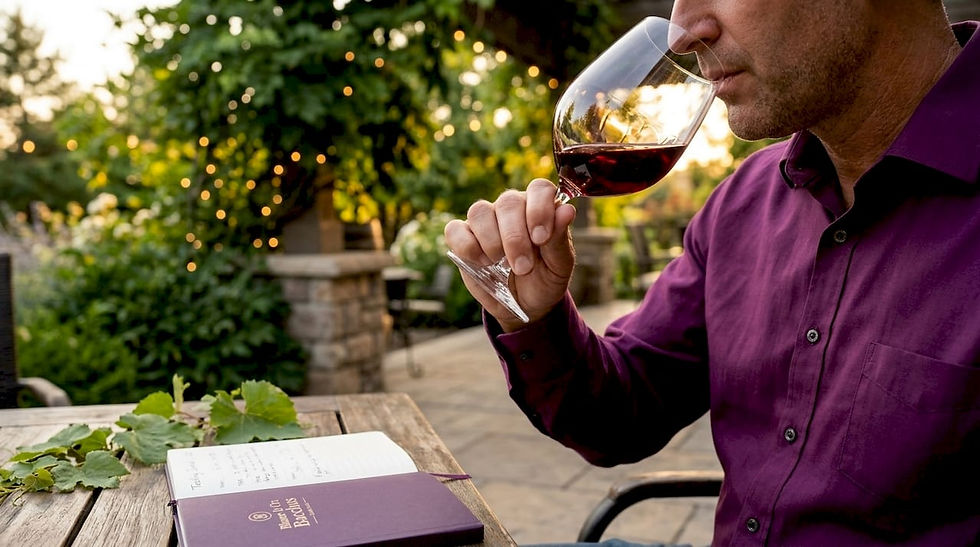
Common mouthfeel sensations and what causes them
Now let’s get into the good stuff. Each mouthfeel sensation you experience comes from a specific wine component. Once you know the cause, you start tasting wine like a detective instead of just a drinker.
Here are the main mouthfeel sensations and what’s behind them:
Astringency (tannins): That dry, grippy feeling on your gums comes from tannins. Red wines are loaded with them. Think Malbec or Barolo.
Crispness (acidity): High-acid wines like Sauvignon Blanc make your mouth water. It’s almost refreshing, like biting into a green apple.
Warmth (alcohol): A wine with 14% or higher alcohol often gives you a noticeable warmth in your throat. Sometimes even a slight burn.
Fizz (carbon dioxide): Sparkling wines get their tingly, bubbly sensation from CO2 dissolved in the wine. Pop open a Champagne and you’ll feel it immediately.
Smoothness and body (glycerol and sugars): These components add a silky or viscous quality. Off-dry wines and full-bodied whites like oaked Chardonnay often feel richer and rounder.
According to tasting research, tannins cause drying and puckering, acidity adds freshness, alcohol contributes warmth, and carbon dioxide brings that fizzy tingle. So you’ve basically got four major players shaping how a wine feels in your mouth.
Here’s a simple order to run through during your next tasting:
Take a sip and hold it for a few seconds.
Notice the weight. Does it feel thin or full?
Check for dryness on your gums and cheeks.
Feel for warmth spreading through your throat.
See if you can detect any fizz or tingle.
Swallow and notice what lingers.
For more help putting it all together, check out our guide on tasting wine like a pro. And if you’re working on building your flavor vocabulary alongside mouthfeel, identifying wine notes is worth a read too.
Pro Tip: Try comparing a glass of Pinot Grigio with a glass of oaked Chardonnay side by side. The difference in weight, texture, and warmth is dramatic, and it’s one of the fastest ways to feel the difference mouthfeel makes.
How to recognize and describe mouthfeel in your wine tasting
So how do you actually practice this? The good news: you already have all the equipment you need. Your mouth is the tool. You just need to start paying attention to different parts of it.
Here’s where to focus during a tasting:
Tongue: Feel for weight, tingle, or smoothness.
Gums: This is where tannin astringency really shows up.
Cheeks: Do they pucker or feel coated?
Throat: Notice warmth or heat from alcohol.
Finish: What sensations linger after you swallow?
Focusing on tactile questions like dryness, smoothness, and warmth on different parts of the mouth is exactly how beginners start building real mouthfeel awareness. It’s not about being fancy. It’s about being curious.
Start with simple, honest words. Rough. Soft. Heavy. Warm. Tingly. Dry. You don’t need to impress anyone. Once those basic words feel natural, you can start reaching for more specific terms like “grippy,” “velvety,” “austere,” or “plush.” Our wine tasting vocabulary resource makes that vocabulary jump a lot less intimidating.
One often overlooked part of mouthfeel is the finish, meaning what you still feel after you swallow. A long, warm finish on a big red is one of life’s genuine pleasures. Our wine finish guide goes deep on this if you want to explore it further.
You can also recognize quality wines partly through their mouthfeel. A wine with a long, smooth finish and balanced texture often signals quality and care in the winemaking process.
Pro Tip: Keep a simple tasting journal. After each wine, jot down three mouthfeel words. Do it consistently for a month and you’ll be shocked how quickly your vocabulary and awareness grow.
Why mouthfeel matters: Enhancing your wine enjoyment and selection
Understanding wine mouthfeel is not just a party trick. It’s genuinely useful, and here’s how it pays off.
Better wine selection: Knowing whether you prefer light and crisp or full and velvety helps you pick bottles with confidence instead of guessing.
Better food pairings: A high-tannin wine cuts through fatty meats beautifully. A creamy Chardonnay pairs dreamily with butter sauces. Mouthfeel is the reason.
Easier conversations: Tell a sommelier you prefer “smooth, medium-bodied wines without too much astringency” and watch their face light up. You’ll get a great recommendation every time.
More enjoyment: Paying attention to texture and sensation adds a whole extra dimension to every sip. Wine goes from “tastes good” to genuinely fascinating.
Deeper learning: Mouthfeel is a gateway to understanding wine structure. Once you get it, concepts like wine basics start clicking into place much faster.
Mindful drinking: Slowing down to feel your wine means you actually savor it instead of just downing it.
“Mouthfeel influences perceived quality, structure, and enjoyment of wine significantly.” It’s not a secondary detail. It’s central to the whole experience.
The bottom line: mouthfeel is the part of wine that you feel, not just think about. And feelings, it turns out, are a pretty big deal when it comes to enjoying a glass.
Rethinking wine tasting: Why mouthfeel is the beginner’s secret weapon
Here’s my hot take, and I stand by it: most beginner wine advice is obsessed with aroma and flavor. “What fruits do you detect? Do you smell vanilla or tobacco?” It’s almost like wine education forgot that your mouth is involved in tasting wine.
The thing is, flavors can be tricky. Saying you smell “black currant with a hint of cedar” requires a flavor memory bank that takes years to build. But mouthfeel? You can feel dry versus smooth on your very first glass. You can notice warmth or fizz immediately. It’s accessible in a way that flavor description often isn’t.
Mouthfeel descriptions can seem sensory-science-heavy at first, but they actually provide more precise and objective ways to understand wine than trying to pin down whether something smells like “jam” or “compote.” The difference between dry and smooth is real and physical. The difference between blackberry and blackcurrant is often just someone’s opinion.
I’ve seen beginners go from feeling totally lost at a tasting to confidently describing wines, just by shifting their focus to mouthfeel first. When you practice tasting like a pro through the lens of texture and sensation, you build vocabulary faster, you enjoy wine more, and the whole experience stops being intimidating.
Mouthfeel is your entry point. Use it.
Explore wine mouthfeel with interactive online classes
Ready to put mouthfeel knowledge into action? Learning about wine from an article is great. Actually practicing it with a glass in hand and expert guidance in your ear is even better.
At Blame It On Bacchus, our wine tasting courses are built for beginners who want to learn without the stuffiness. We break down mouthfeel, aroma, structure, and more in a way that’s fun, interactive, and genuinely useful. You’ll actually practice identifying the sensations you’ve just read about, with wines you pick yourself from your own home. If you’re feeling adventurous, our elements of wine challenge is a brilliant way to put your new mouthfeel skills to the test and connect with a community of fellow wine lovers who are figuring it all out right alongside you.
Frequently asked questions
What exactly does wine mouthfeel refer to?
Wine mouthfeel refers to the tactile sensations perceived during wine drinking, such as texture, weight, warmth, and dryness, and it is entirely distinct from what you taste or smell.
How can beginners learn to describe wine mouthfeel?
Start with simple words like smooth, dry, warm, or prickly, and use frameworks like the mouthfeel wheel to organize your observations. Focusing on tactile questions about how the wine feels on your palate, tongue, and gums is the fastest way to build real mouthfeel awareness.
Why is mouthfeel important for enjoying wine?
Mouthfeel contributes significantly to how you perceive a wine’s quality, structure, and style, making it a key factor in finding wines you’ll actually love and enjoy.
How does mouthfeel differ from taste and aroma?
Taste involves flavors your tongue detects like sweetness or bitterness, aroma is what your nose picks up, and mouthfeel is distinct from both, covering the physical sensations in your mouth like texture, weight, and temperature.
Can mouthfeel sensations linger after swallowing wine?
Yes, absolutely. Mouthfeel sensations can persist after swallowing, contributing to what wine tasters call the “finish,” which is that lingering warmth, dryness, or smoothness that sticks around after the last sip.
Recommended
Comments