Pack This Two Minute Checklist: Wine Tasting Essentials for Beginners

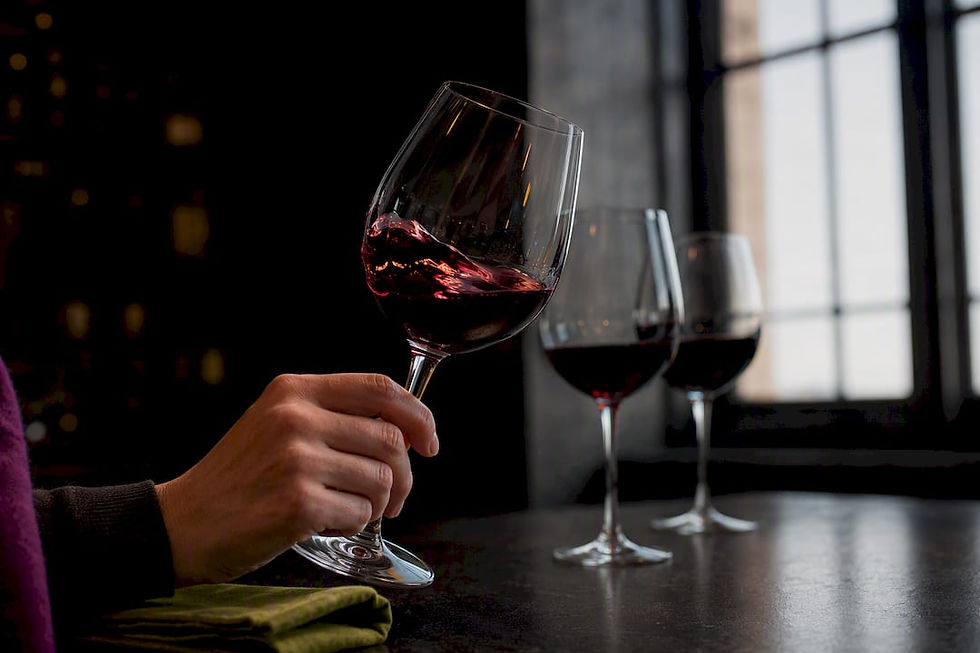
Pack your ID, a printed reservation, water, a small notebook, and shoes you can stand in for hours, then leave the perfume at home. Once you’re pouring, run every glass through See, Swirl, Sniff, Sip, Savor. Pace yourself, use the dump bucket without shame, and you’ll walk out looking like you’ve done this before.
Table of Contents
Wine Tasting Essentials: What to Pack Before You Go
Show up with the right gear and you’ll spend the afternoon actually tasting wine instead of fumbling for your wallet or squinting at a label with dry eyes. Here’s your pre-departure lineup.
Reservation confirmation, photo ID, and a payment method. Many tasting rooms book out on weekends, and staff will card you regardless of how seasoned you look.
Water bottle and a couple of plain crackers. Hydration keeps your palate sharp, and a neutral snack resets your tongue between pours without competing with the wine.
A small notebook or your phone’s notes app, plus a pen that actually works. You will not remember the difference between the third and fifth wine without writing something down.
Stain wipes or a small towel. Red wine finds white shirts with alarming precision.
A soft cooler bag. If you fall for a bottle, you don’t want it baking in a hot car for the rest of the trip.
Sunscreen and a hat for outdoor tastings. Vineyard patios rarely offer much shade, and a two-hour tasting doubles as sun exposure whether you plan for it or not.
Skip the heavy tote and the giant sunglasses. This is a day bag, not a carry-on, and simplicity means faster movement between tasting stations.
How to Taste Wine: The Five S’s
Every reliable wine tasting technique boils down to the same five moves, and they work whether you’re at a $15 tasting flight or a reserve pour. Run through them in order, every single time.
See. Tilt the glass against a white background, natural light if you can get it, and check color depth and clarity. Pale straw usually signals a lighter white; deep purple hints at a bolder red.
Swirl. A few gentle circles coat the glass and release aroma compounds that a still glass never gives up.
Sniff. Stick your nose right in and take two short sniffs. Look for fruit (cherry, citrus, tropical), earth (mushroom, wet stone), or wood (vanilla, toast).
Sip. Let the wine sit on your tongue for a second before swallowing or spitting. Notice where it hits: front of the tongue, sides, or a long finish at the back.
Savor. Ask yourself what lingers. Tannic dryness on your gums? A citrus tang that fades fast? That aftertaste tells you more than the first sip did.
After each glass, jot one line: a quick verdict plus two tags, like “bright, high acid” or “jammy, soft tannins.” That habit alone will make you a sharper taster within a single afternoon, and tasting two similar wines side by side speeds up that learning even more, since comparative tasting trains your palate on contrast rather than isolated impressions.
Planning the Day: Logistics, Food, and Your Body
Good tastings start before you ever pick up a glass. Weekend afternoons at popular wineries fill up fast, especially during harvest season in the fall, so book ahead when you can and expect longer waits without a reservation.
Eat a real meal two to three hours before you taste. Show up starving and three sips will hit you sideways.
Avoid coffee, mint gum, or anything heavily spiced right before your first pour. All three dull or distort your palate.
Line up a designated driver, rideshare, or car service in advance. Tasting rooms pour generously, and “I’ll figure it out later” is not a transportation plan.
Drink water between every wine, spit when you need to, and treat wobbly focus or a numb tongue as your cue to stop, not push through.
The Gear That Actually Improves a Tasting
You don’t need a cabinet full of specialty stemware to taste well. One good glass and a few smart extras cover almost everything.
A tulip-shaped tasting glass. The narrow rim on an ISO or WSET-style glass concentrates’ aroma toward your nose, and it’s the same standard used in formal tasting exams. A basic all-purpose stemmed glass works fine too, since glass shape matters less than technique for most beginners.
A spittoon or an opaque cup. Nobody blinks when you use one. It’s how you taste eight wines and still remember your own name.
A tasting journal. One line per wine: a quick verdict plus three tags (grape, acidity, body) is enough to build a real reference library over a few outings.
A cooler bag for purchases, and for home practice later, a vacuum pump or a Coravin-style preservation tool if you want an open bottle to last past day one.
Pro Tip: Skip decanting by default. Older wines with sediment or young, closed reds can benefit from air, but pouring a delicate white through a decanter can flatten it before you even taste it.
Wine Tasting Etiquette Nobody Tells You Upfront
Ask questions freely. “What should I be tasting for here?” or “Is this more fruit-forward or earthy?” makes staff want to pour you the good stuff, not just the standard flight.
Tasting fees typically run $15 to $40 and often get credited toward a bottle purchase, so ask before you pay. Tipping isn’t mandatory the way it is at a restaurant, but $5 to $10 for an engaged, generous pourer is appreciated. Use the dump bucket whenever a wine isn’t for you or you’ve simply had enough in that glass. Nobody’s counting. If you buy bottles, ask about shipping versus carrying them yourself, especially in warm weather when a hot car can cook a case in an hour.

Structuring Your Flight to Beat Palate Fatigue
Taste light to full: sparkling or crisp whites first, big reds last. Your palate calibrates better moving up in intensity than bouncing around randomly. Standard tasting pours run about one to two ounces, plenty to judge a wine without needing to finish it.
Cap a session around four to six wines; beyond that, your palate starts flattening everything into the same blur. Sip water and nibble a plain cracker between pours, and if wines start tasting identical or you can’t pick out obvious differences anymore, that’s your palate waving a white flag. Stop, or switch to spitting only.
Your Two-Minute Pre-Tasting Checklist
Reservation confirmed, ID in hand, payment method ready.
Comfortable shoes, no heavy perfume or cologne, layers for temperature swings.
Journal, pen, water bottle, and a couple of plain crackers packed.
Stain wipes and a cooler bag tucked in the trunk.
Ride or driver arranged, tipping cash on hand, tasting fee policy checked.
Common Wine Flaws and How to Catch Them
A flawed wine isn’t just “not to your taste.” Certain smells and textures signal an actual defect, and once you know them, you’ll spot them fast.
Cork taint smells like wet cardboard or a damp basement and mutes fruit flavors entirely. Oxidation shows up as a sherry-like, nutty smell in a wine that should taste fresh, often paired with a brownish tinge in reds that should be ruby or purple. Volatile acidity brings a sharp, nail-polish or vinegar edge that hits you before you even sip. Excessive sulfur smells like a just-struck match or burnt rubber, though it usually fades a minute or two after swirling.
If a wine hits any of these notes, tell the person pouring. Reputable tasting rooms will swap the glass without hesitation, and flagging a flaw isn’t rude. It’s exactly what a tasting room wants from an engaged guest.
Understanding the Major Wine Styles
Red wine gets its color and tannin from grape skins left in contact with the juice during fermentation. Expect flavors ranging from bright red fruit in lighter reds to dark fruit, cocoa, and pepper in fuller-bodied ones. White wine ferments without that skin contact, which is why it stays pale and usually leans crisper and more fruit or floral forward.
Rosé sits in between: skins touch the juice briefly, just long enough to tint it pink before winemakers pull them out. Sparkling wine picks up its bubbles from a second fermentation that traps carbon dioxide in the bottle or tank, and dessert wine gets concentrated sugar from grapes that were dried, frozen, or affected by a specific mold that shrivels them and intensifies sweetness.

None of these categories is “better” than another. They’re simply different tools, and a well-run tasting flight usually mixes at least two of them so you can feel the contrast rather than just read about it.
How to Judge Whether a Wine Is Actually Good
Four traits do most of the work: body, acidity, tannin, and sweetness. Body is weight on your tongue, closer to skim milk versus heavy cream. Acidity shows up as mouthwatering tartness, and higher acidity usually means a more food-friendly, refreshing wine. Tannin is that drying, slightly gritty feeling on your gums, mostly found in red wine, and it comes from grape skins, seeds, and sometimes oak barrels.
Sweetness is straightforward residual sugar, ranging from bone-dry to dessert-level syrupy. A “good” wine doesn’t need to hit any specific mark on these four traits. It needs balance: enough acidity to keep a full-bodied red from feeling heavy, or enough sweetness in a dessert wine to match its acidity instead of tasting cloying. Judge the wine against what it’s trying to be, not against some universal ideal.
Why Beginner-Friendly Tasting Actually Works
I built Blameitonbacchus around one idea: wine gets fun the moment the intimidation disappears. Comparative tasting, where you line up two similar wines and feel the contrast directly, teaches faster than any lecture ever could. Before your next tasting room visit, pour two wines side by side at home and run them through the five S’s. You’ll walk in already speaking the language.
— Thomas
Ready to Taste With Confidence? Start Here
Reading a checklist gets you prepared. Actually practicing the five S’s with someone walking you through it gets you confident, and that’s the gap Blameitonbacchus was built to close for beginners who don’t want to fake their way through a tasting room. The Elements of Tasting is a $50 one-off class built specifically around this exact method, so you leave knowing how to evaluate any glass put in front of you, not just recite five words.

If you’re planning a group outing or want personalized feedback on your palate, Guided Tasting sessions walk you and your group through real flights with an instructor reacting to what you’re actually noticing. Either way, you show up to your next winery visit already fluent instead of guessing. Book The Elements of Tasting now and turn this checklist into an actual skill.
Sources
For deeper practice, see our beginner’s guide to tasting like a pro and this traveler’s guide to culinary experiences for sensory context beyond the glass.
FAQ
What are the five S’s for wine tasting?
See, Swirl, Sniff, Sip, and Savor: the standard sequence for evaluating a wine’s color, aroma, and taste in that order.
What are the essential supplies for wine tasting?
A reservation and ID, water, a notebook and pen, stain wipes, a cooler bag, and comfortable shoes cover nearly every situation you’ll encounter at a tasting room.
What is the 75-85-95 rule for wine?
This isn’t a standard tasting framework, and definitions of it vary widely online, so treat any specific numeric rule you see attached to this name with caution.
What are some essential accessories for wine tasting?
A tulip-shaped ISO or WSET-style glass, a spittoon or opaque cup, and a small tasting journal handle almost every scenario, and Blameitonbacchus carries wine-themed accessories if you want to build out your own kit at home.
How many wines should I taste in one sitting?
Cap a session at four to six wines. Beyond that, most palates start flattening distinct flavors into a blur, so quality drops even as the pour count climbs.
Recommended
Comments