Learn Wine Basics Quickly with This Guide

Alright, wine newbie, buckle up! You’re about to embark on a whirlwind tour of the grape-filled, cork-popping world of wine. Whether you’re aiming to impress at your next dinner party or just want to stop pretending you know what “tannins” are, this guide will have you swirling, sniffing, and sipping like a pro in no time. Ready to learn wine basics fast? Let’s dive in!
What Is Wine, Really? The Grape Truth
First things first: wine is basically fermented grape juice. But don’t let that simple definition fool you. There’s a whole universe inside that bottle, from the type of grape to where it was grown, how it was made, and even how long it’s been chilling in a barrel or bottle.
Red, white, rosé - the big three categories.
Sparkling - think champagne and its bubbly cousins.
Dessert wines - sweet treats in a glass.
Each type has its own vibe, flavor profile, and best food pairings. For example, reds tend to be bold and rich, whites are often crisp and refreshing, and rosés? Well, they’re the life of the party, balancing fruity and floral notes.
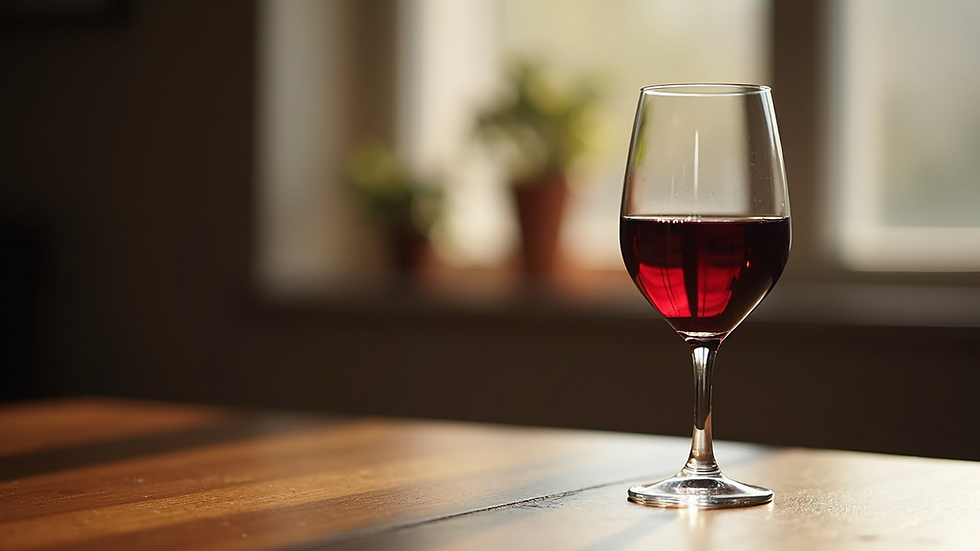
How to Taste Wine Like a Sommelier (Or at Least Fake It)
Tasting wine isn’t just about gulping it down (though, hey, no judgment if that’s your style). It’s a sensory adventure. Here’s the quick and dirty on how to taste wine like you know what you’re doing:
Look - Check out the color and clarity. Is it bright or dull? Deep red or pale yellow? This gives clues about the grape and age.
Swirl - Give your glass a gentle spin. This releases the wine’s aromas.
Sniff - Take a big whiff. Can you smell berries, vanilla, oak, or maybe a hint of something funky? (That funk is called “earthiness,” and it’s a good thing.)
Sip - Take a small taste and let it roll around your mouth. Notice the flavors and texture.
Savor - Think about the finish - does the flavor linger or disappear like your last paycheck?
Pro tip: Don’t be afraid to spit if you’re tasting multiple wines. Your dignity (and liver) will thank you.
Grapes, Regions, and Labels - Decoding the Bottle
Wine labels can look like a foreign language, but cracking the code is easier than you think. Here’s what to look for:
Grape variety: Cabernet Sauvignon, Chardonnay, Merlot, Pinot Noir - these are your grape stars.
Region: France, California, Australia - where the grapes were grown affects the taste big time.
Vintage: The year the grapes were harvested. The weather that year can make a huge difference.
Producer: The winery or brand behind the bottle.
For example, a bottle labeled “Napa Valley Cabernet Sauvignon 2018” tells you it’s a red wine from California’s Napa Valley, made from Cabernet grapes harvested in 2018. Easy peasy.

Food and Wine Pairing - Match Made in Heaven
Pairing wine with food is like matchmaking for your taste buds. The right combo can make both the wine and the dish sing. Here are some foolproof pairings to get you started:
Red wine + red meat: Think juicy steak with a bold Cabernet.
White wine + seafood: Crisp Sauvignon Blanc with grilled shrimp? Yes, please.
Rosé + spicy food: The slight sweetness cools down the heat.
Sparkling + salty snacks: Champagne and popcorn, anyone?
Don’t stress about rules too much. If you like it, it’s right. But these tips will definitely impress your friends and maybe even your in-laws.
Storing and Serving Wine - Keep It Cool (Or Not)
You don’t need a fancy wine fridge to enjoy your vino, but a little care goes a long way.
Storage: Keep bottles lying down in a cool, dark place. Avoid temperature swings.
Serving temperature: Reds like it a bit warmer (around 60-65°F), whites and rosés chill out at 45-55°F, and sparkling wines love it cold (around 40-50°F).
Opening: Use a proper corkscrew and don’t rush it. No one likes cork bits in their glass.
And remember, wine is best enjoyed with friends, laughter, and maybe a little dancing (or at least some enthusiastic chair tapping).
Ready to impress your friends and feel like a wine wizard? You can totally learn wine basics fast with a little practice and this guide in your back pocket. So go ahead, grab a bottle, and start your delicious journey today!
Cheers to you and your newfound wine wisdom! 🍷
Comments