Wine Aroma Examples That Transform Your Tasting

Updated: May 25

TL;DR:
Wine aromas follow distinct patterns, categorized into primary, secondary, and tertiary groups that reveal different aspects of the wine’s story. Recognizing these scents helps identifying grape varieties, winemaking processes, and aging effects, making tasting more insightful and enjoyable. Developing a refined aroma vocabulary through practice, reference tools, and proper glassware enhances sensory perception and understanding of wine complexity.
Walk into any wine shop, swirl your glass, and suddenly you’re expected to smell blackcurrants, pencil shavings, and wet stones. No pressure, right? Wine aroma examples are everywhere in tasting notes, but without a map, they feel more like a riddle than a guide. Here’s the good news: wine aromas follow real patterns. Once you understand the three main categories and what’s behind each scent, that swirl goes from mysterious to genuinely exciting. Let’s break it all down.
Table of Contents
1. Primary wine aroma examples: fruit, floral, and herbal scents
2. Secondary wine aroma examples: fermentation scents you can actually smell
3. Tertiary wine aroma examples: what aging does to a bottle
4. Unique and tricky wine aroma examples: terroir fingerprints and faults
My honest take on why this stuff matters more than people think
Key takeaways
Point | Details |
Three aroma categories exist | Primary, secondary, and tertiary aromas each tell a different part of the wine’s story. |
Fruit aromas come from the grape | Common wine scents like blackcurrant or grapefruit are locked in the grape itself, shaped by climate and soil. |
Fermentation creates new scents | Winemaking choices like yeast strain and oak aging add buttery, toasty, or banana-like notes. |
Age builds complexity | Tertiary aromas like leather, vanilla, and petrol develop over time in barrel and bottle. |
Practice sharpens your nose | Daily smell training and the right glassware make a measurable difference in aroma recognition. |
1. Primary wine aroma examples: fruit, floral, and herbal scents
Wine aromas split into three groups: primary (from the grape), secondary (from fermentation), and tertiary (from aging). Primary aromas are your first act. They come straight from the grape itself, shaped by the variety, the climate, and the soil where the vines grow.
This is where most of the fun and recognizable scents live. Think of primary aromas as the wine’s fingerprint. Here are the star players:
Blackcurrant and dark cherry in Cabernet Sauvignon. This grape is famous for it, especially from Napa Valley or Bordeaux.
Grapefruit and fresh-cut grass in Sauvignon Blanc. New Zealand versions crank up the tropical thiols, while French Sancerre stays crisp and citrusy.
Rose petals and lychee in Gewürztraminer. These come from terpene compounds naturally present in the grape skin.
Peach and apricot in Viognier, another terpene-heavy grape that smells like a summer fruit stand.
Green apple and pear in unoaked Chardonnay, especially from cooler climates like Chablis.
Blueberry and violet in Malbec, particularly from high-altitude Mendoza vineyards.
Climate plays a huge role here. New World wines lean toward intense fruit because warmer temperatures ripen grapes more fully, concentrating fruit-forward aromas. Old World wines from cooler European regions often show subtler fruit with more herbal or earthy edges.
The volatile compounds driving these scents include terpenes (floral, citrus), thiols (tropical fruit), and pyrazines (herbal, vegetal). These groups explain why certain grapes smell the way they do, every single vintage.
Pro Tip: Use an aroma wheel when you start building your vocabulary. The UC Davis Wine Aroma Wheel organizes 94 specific descriptors into 12 primary categories, giving you a structured path from “smells fruity” to “smells like Bing cherry with a hint of cedar.”
2. Secondary wine aroma examples: fermentation scents you can actually smell
Once the grapes are crushed and fermentation kicks in, an entirely new set of aromas is born. These are secondary aromas, and they tell you a lot about how the wine was made.
Common examples of wine fragrances from fermentation include:
Butter and cream from malolactic fermentation. When malic acid converts to lactic acid, it releases diacetyl. That’s the compound responsible for that rich, buttery scent in many oaked Chardonnays.
Bread dough, toast, and brioche from extended lees contact. When wine sits on spent yeast cells, it picks up those baked, yeasty notes. Classic Champagne gets much of its signature smell this way.
Banana and pear drops from ester production during fermentation. Isoamyl acetate is the specific ester most responsible, and you’ll smell it most clearly in Beaujolais Nouveau made with carbonic maceration.
Yogurt or slightly sour milk in wines that go through heavy malolactic fermentation without enough fresh fruit to balance it.
Bubble gum or candy in young, fruit-forward reds made with specific aromatic yeast strains.
The winemaker’s choices shape every single one of these. Fermentation processes directly influence the secondary aroma notes in your glass. A winemaker who chooses to age wine on its lees versus one who racks it early will produce dramatically different scent profiles, even from the same vineyard.
This is why two bottles from the same grape can smell so different. The terroir gives you the raw material. The winery determines how those raw materials transform.
3. Tertiary wine aroma examples: what aging does to a bottle
Tertiary aromas are where things get really interesting. These scents develop as a wine ages, either in a barrel or in the bottle itself. Oxidation and chemical reactions between compounds create entirely new aromatic molecules over time.
Here are some common aroma notes in wine that show up with age:
Vanilla and coconut from oak barrel aging. American oak adds vanilla and coconut lactones, while French oak leans toward subtle clove and cedar.
Leather and tobacco in aged Cabernet Sauvignon, Rioja, or Barolo. These earthy, complex scents come from oxidative aging and phenolic compounds in the grape skins.
Dried fruit and fig as fresh berry aromas evolve over years in the bottle.
Petrol and kerosene in aged Riesling. This comes from a compound called TDN, which intensifies with bottle age and UV exposure. Polarizing for sure, but Riesling lovers often chase it.
Mushroom and forest floor in aged Pinot Noir, particularly Burgundy.
Honey and beeswax in aged white Burgundy or older white Rioja.
Here’s a quick look at how American versus French oak shapes those tertiary aromas:
Oak type | Primary aroma contribution | Character intensity |
American oak | Vanilla, coconut, dill | Bold, forward |
French oak | Cedar, clove, subtle spice | Refined, understated |
Understanding how aging impacts wine aromas helps you predict what a wine will smell like at different stages of its life. That’s a genuinely useful skill when you’re deciding whether to open a bottle now or wait a few more years.
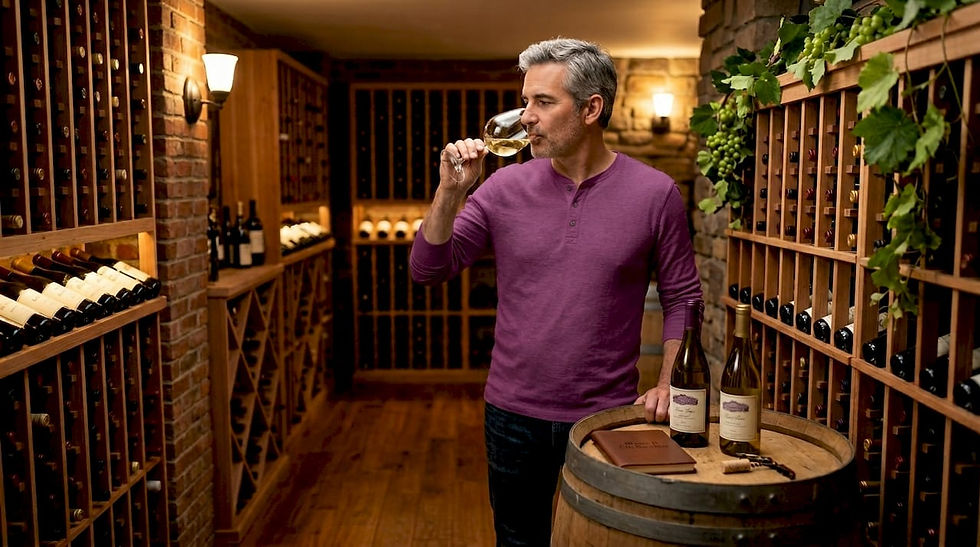
4. Unique and tricky wine aroma examples: terroir fingerprints and faults
Not every aroma in your glass is supposed to be there. Some are fascinating regional signatures. Others signal something has gone wrong. Knowing the difference makes you a much sharper taster.
Terroir-specific aromas worth knowing:
Bell pepper and jalapeño in Cabernet Franc or cool-climate Cabernet Sauvignon. These come from pyrazines, compounds that concentrate when grapes don’t ripen fully. They’re not faults. They’re regional character.
Wet stone, flint, and chalk in Chablis or German Riesling. These mineral scents are some of the most debated in wine, but they’re widely recognized as terroir signatures.
Eucalyptus and mint in certain Napa Valley Cabernet Sauvignons grown near eucalyptus trees. The leaves literally drop compounds into the soil.
Garrigue (herbs like rosemary, lavender, thyme) in Southern Rhône reds. It’s the smell of the scrubby hillside vegetation baking in the sun.
Fault-related scents to recognize and reject:
Damp cardboard or wet newspaper signals cork taint from TCA. TCA contamination is one of the most common wine faults and should be pointed out at restaurants.
Barnyard, bandage, or horse sweat indicates Brettanomyces, a wild yeast infection. Low levels can add complexity. High levels ruin the wine.
Vinegar or nail polish remover means volatile acidity is too high. A touch of VA can be lovely in aged wines, but when it punches you in the face, the wine is off.
Pro Tip: Train your nose to smell these faults deliberately. Open a mildly corked bottle and breathe it in. You’ll never miss that smell again, and you’ll feel much more confident sending a bad bottle back.
5. Practical tips to recognize and describe wine aromas
Building your aroma vocabulary takes practice, but it doesn’t have to feel like homework. Here’s a simple system that actually works:
Start with reference jars. Fill small containers with real things: a strip of orange peel, a few coffee beans, a sprig of rosemary. Smell them blind. Daily 5 to 10 minute training sessions with reference smells significantly improve scent memory. It sounds nerdy, but it works.
Use the UC Davis Aroma Wheel. This tool breaks aromas into tiers from broad categories down to specific descriptors. Start broad (“fruity”), then narrow it (“citrus”), then get specific (“grapefruit”). The hierarchical aroma wheel helps you move from vague impressions to confident descriptions.
Upgrade your glassware. Tulip-shaped glasses concentrate aromas at the nose far better than a basic tumbler. You’ll actually smell more in a proper wine glass. This is not snobbery. It’s physics.
Swirl, then wait. Give the aromas 30 seconds to open up after swirling. The first sniff catches the most volatile compounds. A second sniff after waiting catches the deeper notes.
Smell your food first. When you eat a strawberry and then sip a Pinot Noir, your brain connects the dots faster. Pairing food with wine aromas makes both the food and the wine more vivid.
Keep a tasting journal. Write three aromas per wine you taste. They don’t need to be fancy. “Smells like my grandma’s raspberry jam” is a perfectly valid note and wildly useful for your memory.
Remember: up to 80% of perceived flavor is actually scent. That statistic about olfactory perception means your nose is doing most of the heavy lifting. The more you train it, the better wine gets.
My honest take on why this stuff matters more than people think
I’ve spent years tasting wine, and here’s what I’ve learned: most people give up on aroma identification because they feel like they’re supposed to magically smell things they’ve never smelled before. That’s backward. You’re not discovering what wine smells like. You’re matching wine to things you already know.
When a tasting note says “blackcurrant,” it’s not asking you to be a sommelier. It’s asking you to remember that jam your aunt made. Most novices I’ve seen struggle because they try to memorize poetic descriptions instead of building sensory memory through real objects. The UC Davis aroma vocabulary exists precisely to fix that problem.
What genuinely changed my own tasting was accepting that these aromas aren’t just decoration. They’re data. Petrol in an old Riesling tells you about bottle age. Leather in a Rioja tells you about barrel time. Bell pepper in a Cab Franc tells you the vintage was cool. You’re reading the wine like a story, not just enjoying the scenery.
The three aroma categories are your framework. Once you know whether an aroma is primary, secondary, or tertiary, you immediately know whether to credit the grape, the winemaker, or time itself. That’s when wine stops being mysterious and starts being genuinely fascinating.
— Thomas
Take your wine aroma skills further with Blameitonbacchus
You’ve got the map now. But maps are even better with a guide.
Blameitonbacchus is built for exactly this moment, when you’re curious, a little overwhelmed, and ready to learn without the stuffiness. The Elements of Wine course digs into what makes wine tick, including aromas, structure, and why certain wines blow your mind and others fall flat. If you want to go deeper on tasting skills, check out the full wine course library for options at every level. And if you love the idea of celebrating your wine obsession beyond the glass, Blameitonbacchus has wine-themed merch that makes you (and your wine-loving friends) very happy. Come learn, explore, and maybe blame it on Bacchus.
FAQ
What are the three main categories of wine aromas?
Wine aromas fall into primary (grape-derived), secondary (fermentation-derived), and tertiary (aging-derived) categories. Each group reflects a different stage of the wine’s life.
What are some common wine aroma examples for beginners?
Blackcurrant in Cabernet Sauvignon, grapefruit in Sauvignon Blanc, and vanilla in oaked Chardonnay are among the easiest and most recognizable common wine scents for beginners to identify.
How do I get better at smelling wine aromas?
Daily smell training with reference jars, using a structured tool like the UC Davis Wine Aroma Wheel, and upgrading to tulip-shaped glasses all improve your ability to detect and describe aroma notes in wine.
What does it mean when wine smells like cardboard?
A cardboard or damp newspaper smell usually indicates cork taint caused by TCA contamination. This is a wine fault, not a feature, and a good reason to ask for a replacement bottle.
Do more expensive wines have more complex aromas?
Not always, but aged wines do develop more layered tertiary aromas like leather, tobacco, and dried fruit that younger wines lack. Price and complexity are related but definitely not the same thing.
Recommended
Comments