10 Wine Candle Scents That Match Your Favorite Wines, Room by Room

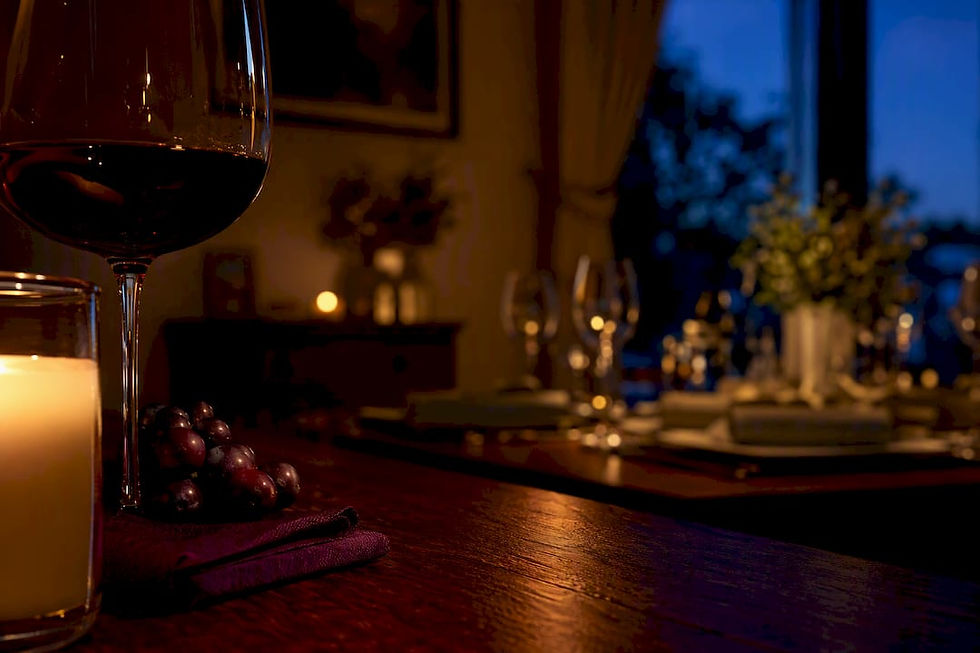
Wine candle scents are candles crafted to smell like your favorite pour, whether that’s a jammy red, a crisp white, or a glass of bubbly. The main scent directions break down simply: reds lean dark fruit, wood, and spice; whites go citrus, floral, and herb; rosé stays bright and berry-forward; sparkling wines smell like brioche and citrus zest. Below, I’ll walk through real examples, buying tips, and a few safety basics so you pick a candle that actually smells like the wine you love.
Table of Contents
Scent families: how wine aromas map to candle fragrance categories
How to choose the right wine-scented candle for your space or pairing
Publisher perspective: how wine education improves candle selection and enjoyment
History and origin of wine-scented candles to provide context and background
Common occasions or settings where wine-scented candles are especially popular or recommended
Scent families: how wine aromas map to candle fragrance categories
Here’s the fun part: candle makers build fragrance the same way winemakers build flavor, in layers. Top notes hit first and fade fast (think citrus or fresh berry), heart notes carry the main character, and base notes linger longest, giving you that warm, lasting finish. This layering is exactly why a good wine candle can smell eerily like a real glass instead of a vague “fruity” blob.
Wine aroma itself comes from a chemistry lesson in disguise. Research on grape and wine volatiles points to compounds like linalool and its relatives as major drivers of floral and citrus character in white wines, which is why crisp whites often smell bright and blossomy. Meanwhile, gas chromatography studies of red wine odorants flag compounds like beta-damascenone and various ethyl esters as the source of those juicy, jammy fruit notes you catch in a bold red. Candle chemists borrow from the same playbook, just swapping grape skins for fragrance oils.
Broadly, you’ll see these scent families on shelves:
Fruity and berry: black cherry, black currant, and red berry notes that mimic red wine’s fruit-forward character.
Floral: white blossom, jasmine, and rose that echo aromatic whites like Riesling or Gewürztraminer.
Herbaceous and green: fresh grass, sage, or fig leaf notes that show up in crisp, unoaked whites.
Oak and vanilla: toasted wood and creamy vanilla that mirror barrel-aged Chardonnay or Cabernet.
Spice and dessert: clove, cinnamon, and brown sugar that echo mulled wine or late-harvest styles.
Wax type matters here too. Soy and coconut wax blends tend to carry fragrance oils cleanly and burn evenly, which is part of why retailers lean on those blends when they publish burn-time estimates.
Popular wine-inspired fragrance examples with sensory notes
Picturing a scent is easier than reading a chemistry breakdown, so here are common wine-inspired profiles you’ll find on the market, along with where they tend to shine in your home.
Napa Cabernet: black cherry, cedar, and vanilla oak. Strong intensity, great for a cozy living room on a cold night.
Champagne: brioche, pear, and white blossom. Medium intensity, perfect for a dining table or brunch setup.
Rosé: strawberry, watermelon, and rose petal. Light to medium, ideal for a sunny kitchen or bathroom.
Riesling: green apple, honeysuckle, and lime zest. Light and clean, well suited to smaller rooms.
Malbec: plum, blackberry, and smoked oak. Strong and warm, best for larger living spaces.
Sangria: orange peel, red berry, and cinnamon. Medium intensity, a fun pick for parties.
Pinot Noir: raspberry, mushroom, and forest floor. Medium, earthy, and great as a gift for the wine geek in your life.
Chardonnay: baked apple, butter, and vanilla. Medium to strong, cozy in a kitchen or den.
Merlot: black plum, chocolate, and soft spice. Strong, a natural fit for a bedroom lounge corner.
Prosecco: peach, citrus blossom, and light musk. Light, refreshing, and easy on small apartments.
Match the intensity to your room. A strong scent in a tiny bathroom turns overpowering fast, while a light scent in an open living room barely registers.
How to choose the right wine-scented candle for your space or pairing
Picking the right candle isn’t just about the name on the label. A few practical checks save you from buyer’s remorse.
Room size and intensity: Strong scents suit open spaces; light scents work better in small rooms.
Complementary scent family: Pair woody, spiced candles with full-bodied reds and lighter, citrusy candles with crisp whites so the aromas support each other instead of clashing.
Allergies and sensitivities: Check the fragrance oil list if you’re sensitive to synthetic musks or strong essential oils.
Label details: Look for wax type (soy or coconut blends tend to burn cleaner), wick material, fragrance load, and an estimated burn time.
Return policy and sample sizes: Retailers offering smaller sizes or samples let you test a scent before committing to a full jar.
Pro Tip: If you’re torn between two scents, buy the smaller size of each first. It’s cheaper than discovering a full-size candle isn’t your vibe after one burn.
Gift shoppers should also check whether a retailer offers gift wrapping or bundles, since wine-scented candles make easy, low-risk presents for casual wine fans.
Safety and burning tips (NFPA-backed guidance)
Wine candles are meant to make a room feel warm, not risky. A few rules keep it that way.
Keep candles at least one foot from anything flammable. State fire-safety guidance notes that 60% of candle fires start because flammable items like curtains or furniture were too close.
Never leave a candle burning unattended, and always extinguish it before leaving a room or going to sleep.
Trim the wick to about a quarter inch, burn on a heatproof tray, and keep candles away from drafts so the melt pool stays even.
Swap in a flameless LED candle for bedrooms, nurseries, or anytime you can’t watch the flame.
Skipping these basics matters more than people think. NFPA research on home candle fires found power outages were a factor in 26% of fatal candle fires, often because someone lit a candle for light and forgot the basics.
Publisher perspective: how wine education improves candle selection and enjoyment
At Blame It On Bacchus, we teach online wine classes built around nosing and tasting, and we also sell wine-themed gifts, including our Sarcastic Wine Note candles. The two connect more than you’d expect.
Practicing nosing, the same skill we teach in class, trains your senses to pick out the notes candle brands list on their labels. Once you’ve learned to spot black cherry or toasted oak in a glass, spotting it in a candle description gets a lot easier, and picking a scent stops being guesswork.
History and origin of wine-scented candles to provide context and background
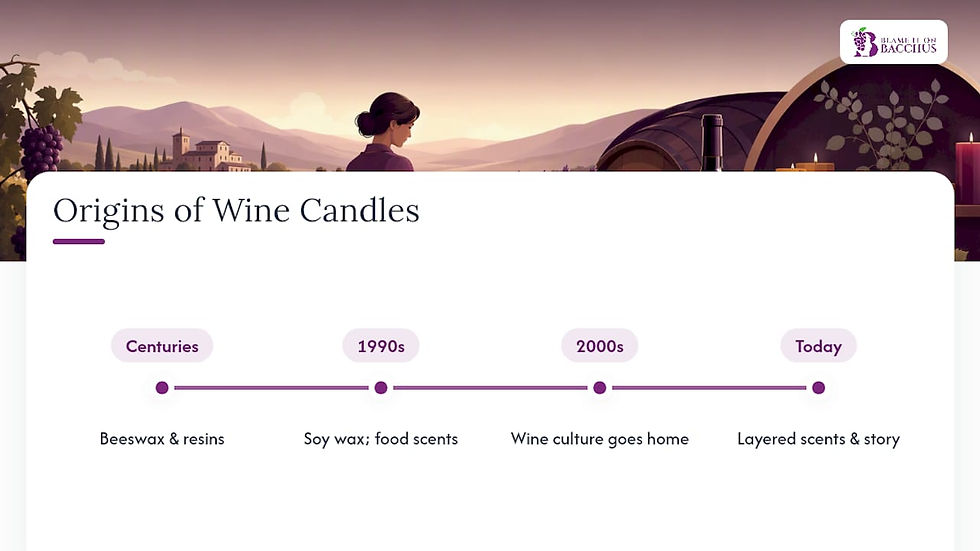
Scented candles have existed for centuries, originally using beeswax and natural resins for both light and fragrance. Food and drink-themed candles are a newer twist, growing alongside the boom in soy wax candles during the 1990s and 2000s, when smaller makers started experimenting with fragrance oils that mimicked everyday comforts like coffee, baked goods, and eventually wine.
Wine-scented candles specifically rode the wave of wine culture becoming more casual and mainstream. As wine tasting moved from stuffy cellars into home get-togethers and gift shops, candle makers saw an opening to bottle that experience, minus the hangover. Early wine candles often leaned on single notes like “grape” or “merlot,” but as fragrance blending got more sophisticated, makers started building layered profiles that mimicked real tasting notes: fruit, oak, spice, and floral elements working together rather than one flat scent.
Today’s wine candle market reflects a broader shift toward candles that tell a story rather than just smell nice. A candle named after a Napa Cabernet or a Provence rosé taps into the same appeal as a vineyard label: it sells an experience, a mood, maybe a memory of a trip or a dinner party. That storytelling angle is part of why wine-scented candles have stuck around rather than fading as a passing trend.
Common occasions or settings where wine-scented candles are especially popular or recommended
Wine-scented candles show up most at moments built around comfort and hosting. Dinner parties are the obvious one: a Cabernet or Malbec candle burning near the table sets a mood before anyone pours a glass, and it doesn’t compete with the food the way an overly sweet candle might.
Gift-giving is another major occasion. Wine-scented candles are an easy pick for housewarmings, birthdays, or holiday exchanges because they read as thoughtful without requiring the giver to know a recipient’s exact wine preferences. A rosé-scented candle works for almost anyone who enjoys a glass now and then.
Self-care nights and at-home wine tastings are a growing use case too. Lighting a Chardonnay-scented candle while actually sipping a glass of Chardonnay creates a small, layered sensory moment that feels a bit indulgent without much effort. Wine bars, tasting rooms, and even some wineries have picked up on this, using wine-adjacent candles as retail add-ons or ambient touches in tasting spaces.
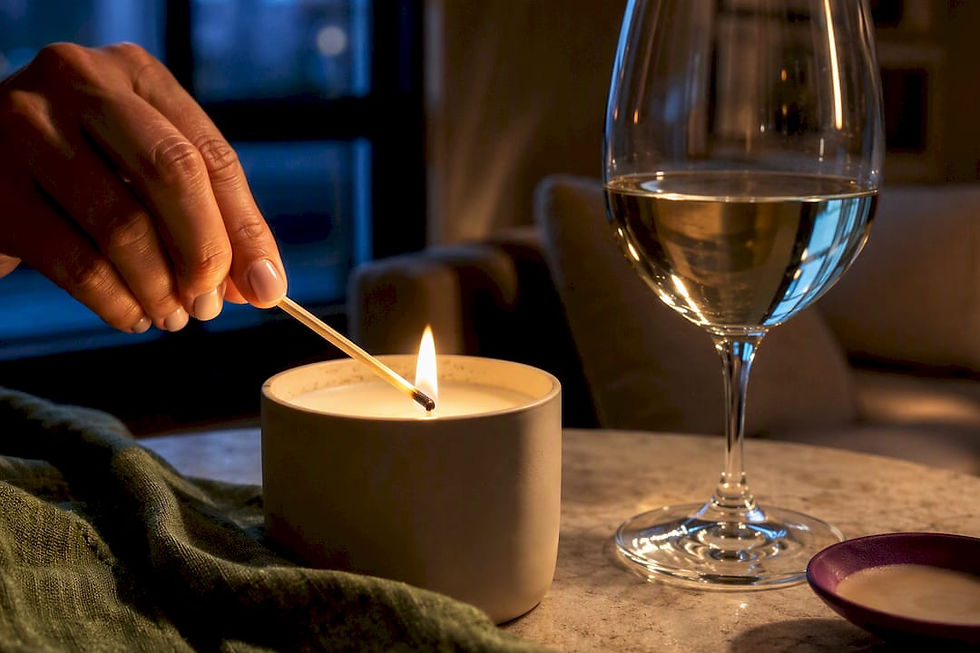
Cooler months tend to boost interest across the board, since richer, spicier scents like mulled wine or Malbec pair naturally with the season’s mood.
Comparison between wine-scented candles and other food or drink-inspired candle scents to highlight uniqueness
Coffee, bakery, and cocktail-themed candles dominate the food and drink candle category, but wine-scented candles occupy their own lane. Coffee and bakery scents tend to rely on a small handful of familiar notes: roasted beans, vanilla, cinnamon, sugar. They’re comforting but fairly one-note in structure.
Wine candles, by contrast, borrow the layered complexity of the drink itself. A single wine-inspired candle might combine fruit, wood, spice, and floral notes in one profile, closer to how a sommelier might describe a glass than how a bakery candle gets described. That layering is part of what makes wine candles feel more sophisticated to shoppers who already enjoy wine.
Cocktail-scented candles (think mojito or piña colada) share some of that complexity but usually lean tropical and sweet, aiming for a beachy, playful mood. Wine candles skew a bit more toward cozy, elegant, or moody, depending on the varietal they’re modeled after. A Merlot candle reads differently on a shelf than a piña colada candle, even though both are drink-inspired.
The result is a category that appeals specifically to people who already have some emotional or sensory connection to wine, rather than a broad, crowd-pleasing scent. That built-in audience is part of why wine candles keep finding a home in gift shops and tasting rooms rather than getting lost among general dessert-scented candles.
What wine lovers get wrong about candle shopping
Most people shop for wine candles the way they shop for wine itself: by label appeal rather than actual scent structure. That’s backwards. A candle named “Cabernet” tells you almost nothing until you check whether it’s built on dark fruit and oak or just a vague grape note with no depth.
The bigger miss, though, is treating candle shopping and wine tasting as separate skills. They’re not. Once you’ve trained your nose to catch black cherry, cedar, or butterscotch in an actual glass, reading a candle’s note list stops being marketing copy and starts being useful information. That’s the real advantage tasting practice gives you here: better label literacy, not just a fancier hobby.
If you only take one thing from this guide, let it be this: don’t buy a wine candle based on the wine’s name. Buy it based on whether the listed notes actually match a profile you enjoy drinking. That’s a small shift in habit that makes every future candle purchase a little smarter.
— Thomas
Bring the tasting room home with Blame It On Bacchus
If you love the idea of matching candles to your favorite pours, why stop at guessing? Our Sarcastic Wine Note candles come with playful labels and wine-inspired scent profiles, including a Peppered Passionfruit option for anyone who wants a spicier, fruitier pick. Pair a candle with one of our online wine classes and you’ll start noticing the same notes in your glass that show up on the candle label.

A few ways to get started:
Grab a wine-themed candle as a gift or a treat for yourself.
Take an online wine class to sharpen your nose for the notes candle labels actually mean.
Send an eGift Card to a wine-loving friend who’d rather pick their own candle and class.
Ready to shop or book a class? Head to our course catalog and pick your starting point.
Sources
FAQ
What kind of candles smell like wine?
Candles labeled with wine varietal names, like Cabernet, Chardonnay, or rosé, are built to evoke those specific drinks using fruit, oak, floral, or spice fragrance notes. Some brands also make cocktail-style options like sangria or mulled wine candles that lean sweeter and spicier.
What are some fragrances that smell like wine?
Common wine-evoking fragrance notes include black cherry, black currant, cedar, vanilla oak, and red berry for reds, plus green apple, white blossom, and citrus zest for whites and sparkling styles. Brioche and pear notes are typical for Champagne-style candles.
What are the top 10 most popular candle scents?
Popularity varies by retailer and season, but vanilla, lavender, sandalwood, fresh linen, citrus, cinnamon, coconut, pumpkin spice, sea salt, and floral blends are frequently cited as bestsellers across general candle categories. Wine-inspired scents tend to sit in a smaller, more specialized niche rather than these mainstream top sellers.
What is Taylor Swift’s favorite candle scent?
There’s no publicly listed source confirming a specific favorite candle scent for Taylor Swift. If you’re looking for a personal favorite, your best bet is to try a few wine-inspired profiles yourself and see which one fits your own taste.
Recommended
Comments