No Snob Winery Etiquette: 6 Quick Rules for Nervous First Timers

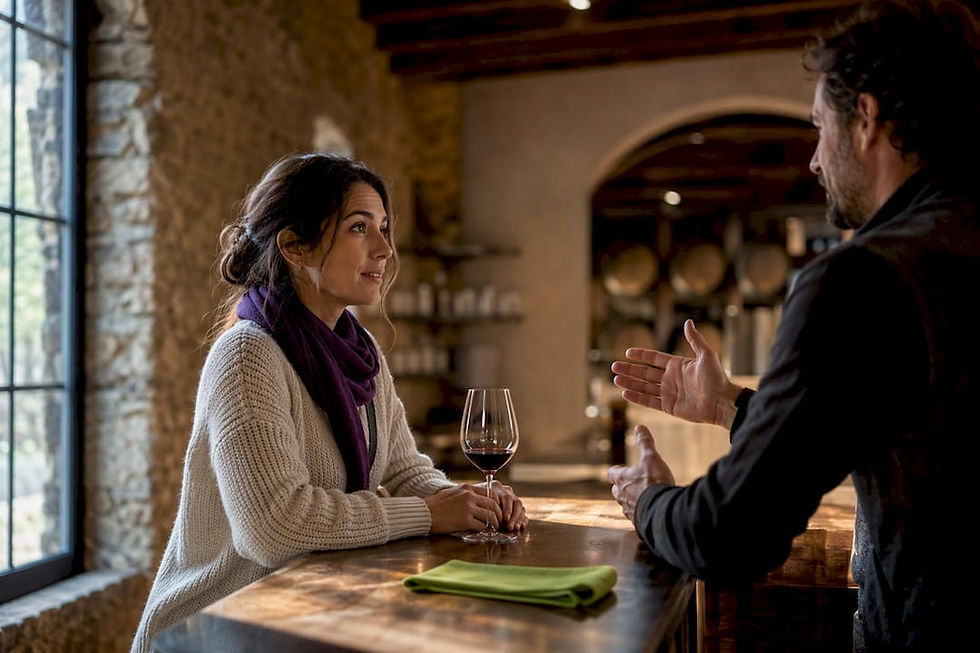
Here’s the short version: be courteous, follow whatever house rules the winery posts, pace yourself with water and spit buckets, and line up a sober ride home before you pour a single drop. A standard pour runs about 2 ounces, spit and dump buckets are totally normal, and if you want a confidence boost before you go, a quick class from a wine education provider covers exactly this stuff.
Table of Contents
Quick etiquette checklist for your first tasting
You don’t need to memorize a rulebook. Just keep these in your back pocket:
Reserve ahead if the winery asks, and show up on time.
Skip the heavy perfume or cologne; strong scents mess with everyone’s nose, including yours.
Hold your glass by the stem, not the bowl, so you don’t warm the wine or leave fingerprints all over it.
Don’t hover at the bar or crowd the pourer. Give them room to work.
Ask questions, but let the host finish their pour and their pitch first.
Use the spit or dump bucket without embarrassment. That’s what it’s there for.
Before you go: reservations, fees, food, and getting there
A little homework before you leave the house makes the whole day smoother. Check the winery’s website or call ahead to confirm hours, reservation requirements, and group-size limits, since many wineries expect appointments for weekends or larger parties. Tasting fees vary, and some wineries waive or refund them if you buy a bottle, so it’s worth asking when you book.
Eat a real meal before you go. Wine on an empty stomach hits fast and ruins the experience, not just your judgment. A few practical things to sort out ahead of time:
Confirm whether outside snacks are allowed, since some tasting rooms don’t permit them.
Line up a designated driver or shuttle if you’re hitting more than one winery.
Check parking rules and whether the winery accepts party buses or limos.
Call ahead if you’re running late so the host isn’t left waiting on you.
Our own quick pre-visit checklist covers this same ground if you want a printable version.
How to act once you’re in the tasting room
Keep your voice at a normal conversational volume. Tasting rooms are usually small, and a booming laugh carries a lot further than you think. Give other guests space at the bar, and wait until the pourer finishes explaining a wine before you swirl it around or reach for the next glass.
Curiosity is welcome. Ask about the vintage, where the grapes were grown, whether the wine saw oak, or what it pairs well with. Skip the interrogation about price or resale value, which tends to land awkwardly no matter how you phrase it. Professional guidance consistently points to the same thing: hosts want engaged guests, not guests reciting a wine textbook.
Pay attention to posted rules about pets, kids, photography, and where you’re allowed to stand. Some cellars and barrel rooms are off-limits for a reason, usually temperature control or simple safety, so treat a “please don’t enter” sign as final.
The 5 S’s: a tasting routine that actually works
You don’t need fancy vocabulary to taste wine well. You need a routine. The classic five-step sequence is see, swirl, smell, sip, and savor, and it works every time.
See: Tilt the glass against something white and check the color and clarity. Swirl: Hold the stem and swirl gently to release aroma, keeping the glass low over the table until you trust your grip. Smell: Take a first quick sniff, then a longer second one, and try to name one or two things you pick up, fruit, herbs, something earthy. Sip: Take a small mouthful and pull in a little air, which pushes aroma up into your nose and sharpens the flavor. Savor: Notice how long the finish lasts and whether it changes as it fades.

Taste wines light to heavy, and save anything sweet for the end so it doesn’t flatten everything that follows. Jot down a word or two per wine, whatever comes to mind first, so you remember your favorite by the time you get home. For a deeper walkthrough, our beginner’s guide to tasting wine breaks down each step further, and we’ve also written about why swirling matters if you want the science behind it.
Pacing yourself: pours, spitting, and staying sharp
A typical pour is about 2 ounces, which means three tastes can add up to roughly a full glass of wine without you noticing. Pace yourself with water between pours, and eat something if you feel it creeping up on you.
Spitting and dumping are completely normal parts of tasting, not a sign you can’t handle your wine. Ask for a spit cup if one isn’t already on the bar. Staff can and will refuse service to a visibly intoxicated guest, so plan your ride home before you start, not after your third stop of the day.

Group visits and celebrations: keep it contained
Celebrating a birthday or a bachelorette weekend at a winery? Call ahead. Reserve your space, confirm fees, and ask directly about party-bus or limo policies, since many wineries restrict them due to parking and noise concerns.
Keep the celebration inside your reserved area and be mindful of other guests nearby. If the winery asks for one card to cover the group’s tasting fees, have that sorted before you walk in so nobody’s standing around at checkout splitting a bill six ways.
Buying, tipping, and saying thanks
A tasting fee subsidizes the pour and the host’s time, and buying a bottle or joining the mailing list is appreciated but never required. If you do want to tip, $5 to $10 per person works for a casual bar tasting, while 15% to 20% fits a seated or extended pairing experience.
A short thank-you email or a quick online review goes further than you’d expect, especially at small family wineries running on a skeleton crew.
How we teach etiquette at Blame It On Bacchus
Our classes build etiquette into the tasting itself, not as a separate lecture. Students prep with a three-step checklist: confirm the winery’s policies, eat and hydrate beforehand, and pack a small notebook for tasting notes.
We also rehearse simple scripts, like how to ask “what pairs well with this?” or how to decline a pour politely without making it weird. Practice these moves with our 5 S’s breakdown or our beginner etiquette guide before your next visit.
Handling bottles and glassware like you mean it
Glassware gets handled by the stem, always, whether it’s sitting on the bar or in your hand. Fingers on the bowl leave smudges and warm the wine, which dulls both the aroma and the visual clarity you need for that first “see” step.

If a host or tour guide hands you a bottle to look at, hold it by the body with both hands rather than gripping the neck, and set it back down gently rather than clinking it against other glasses or bottles. Never pour your own refill from a bottle on display unless you’re explicitly invited to, since some of those bottles are part of a tour setup or reserved for a specific tasting flight.
In a cellar or barrel room, keep your hands off equipment, barrels, and tanks unless a guide tells you it’s fine to touch. These spaces often hold wine mid-process, and a bump or a stray hand can matter more than it looks like it would from the outside.
Talking to staff beyond the tasting bar
The person pouring your wine isn’t the only one who makes your visit work. Tour guides, cellar workers, and vineyard staff all deserve the same courtesy, even though your interaction with them looks different.
On a cellar or vineyard tour, stay with the group and save detailed questions for natural pauses rather than interrupting mid-explanation. Guides often cover a lot of ground in a limited window, and letting them finish a thought respects both their time and the group’s.
If you pass someone working in the vineyard or moving barrels in the cellar, a simple nod or hello is plenty. They’re mid-task, not on display, so treat a brief wave as the right amount of interaction unless they engage you first.
Why winery etiquette matters more than perfect wine knowledge
Good manners open doors that vocabulary never will. Small wineries remember the guests who were curious and easy, and they pour differently for them next time.
— Thomas
Ready to taste with more confidence?
You don’t need years of practice to feel comfortable at a tasting bar, you just need a little guided repetition. Our online classes walk you through the 5 S’s, common etiquette scripts, and how to talk to a host without feeling like you’re being tested, all at your own pace.

If you’d rather learn with a group or want something tailored to an upcoming trip, we also run private sessions built around your questions.
Browse self-paced courses like The Elements of Tasting or the Passport series to build your palate before your next visit.
Book a guided or custom class if you want instructor feedback and a more hands-on session with your group.
Either way, you’ll walk into your next tasting room knowing exactly what to do with the glass in your hand.
Sources
FAQ
What is the 20-minute wine rule?
The 20-minute wine rule is a flexible guideline rather than a strict law. Some hosts use it to describe chilling or warming a wine for about 20 minutes before serving, while others use it as a pacing cue to leave time between pours, and full tastings often run 45 to 60 minutes total.
What are some proper wine etiquette rules?
Hold your glass by the stem, let the pourer finish describing a wine before you move on, and keep your voice at a normal volume in the tasting room. Reserve ahead when asked, avoid strong perfume or cologne, and use the spit or dump bucket without hesitation, since hosts expect and encourage it.
What is the dress code for a winery?
There’s no strict dress code at most wineries, but comfortable, casual clothing works best since you’ll often be standing, walking a vineyard, or touring a cellar. Avoid heavy perfume or cologne, since strong scents interfere with tasting for you and everyone around you.
What are the 5 S’s for wine tasting?
The five S’s are see, swirl, smell, sip, and savor: you check the wine’s color, swirl to release aroma, smell it in two passes, take a small sip with a little air, then notice the finish. It’s a simple routine used to structure a tasting without needing technical wine vocabulary.
Recommended
Comments